 English
 Français
Silicone Wound Contact Layer Dressing

Your trusted medical supplies manufacturer.
No. 10 Ousheng Avenue, Pingwang Town, Wujiang District, Suzhou City, Jiangsu Province, China
+86 133 5801 3454
jasonzhangcas@gmail.com
MAKE A REQUEST
Product Categories
- Jumbo Raw Material Roll
- Wig Tape
- Wound Dressing
- Medical Tape
- Electrode Pad
- Postoperative Nutrition
- Postoperative Excretion
- Rehabilitation Braces
- First Aid Kit
- Medical Cotton Products
- Medical Gauze
- Bandages
- Patient Transfer
- Hospital Furniture
- Labour Safety
- Daily Homecare
- Medical Diagnose
- Hot&Cold Therapy
-
Body Patch
- Double Eyelid Sticker
- Eyelash Extension Patch
- Amblyopia Patch
- Acne Pimple Patch
- Facial Tape
- Wrinkle Tape
- Nasal Strip
- Mouth Tape
- Waterproof Ear Sticker
- Neck Wrinkle Patch
- Breast Care
- Underarm Pad
- I.V. Dressing
- Catheter Fixation Patch
- Scar Tape
- Wound Closure
- Waterproof Swimming Patch
- Thigh Patch
- Foot Care
- Clothes Sticker
Silicone Wound Contact Layer Dressing Manufacturers
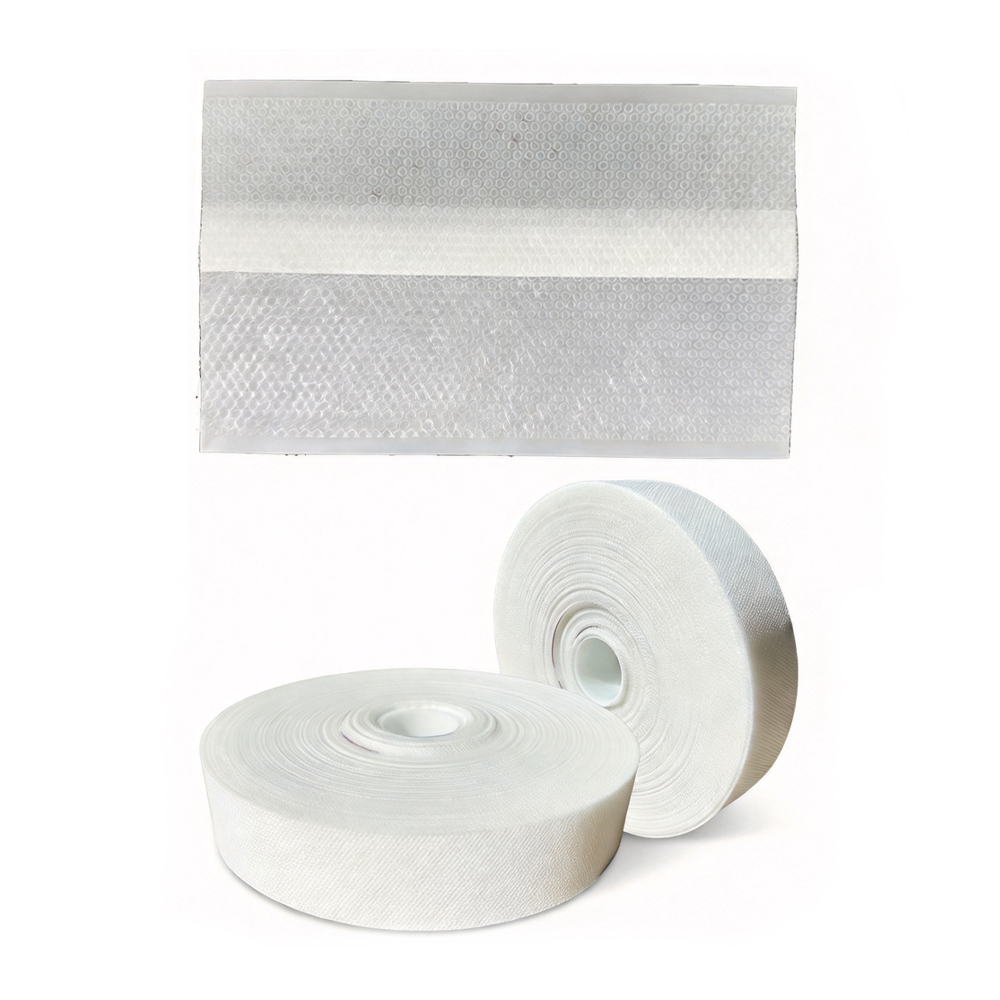
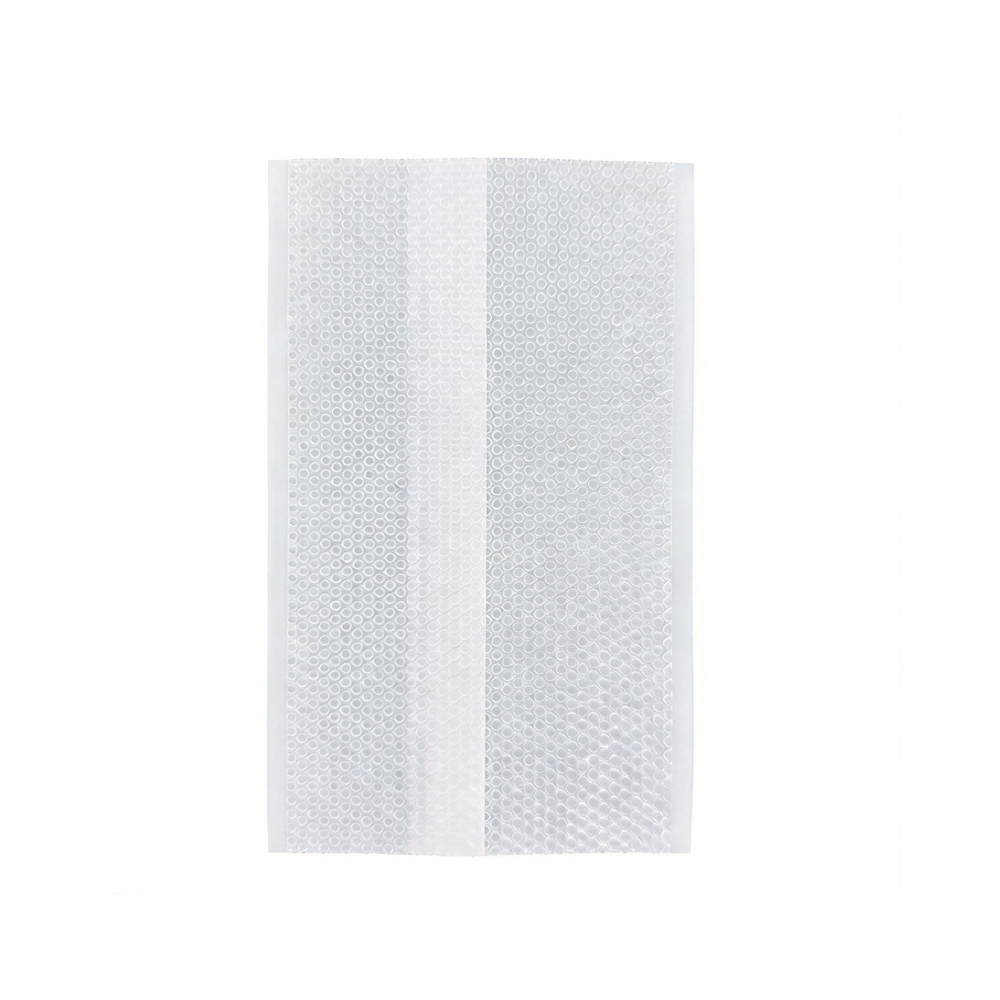
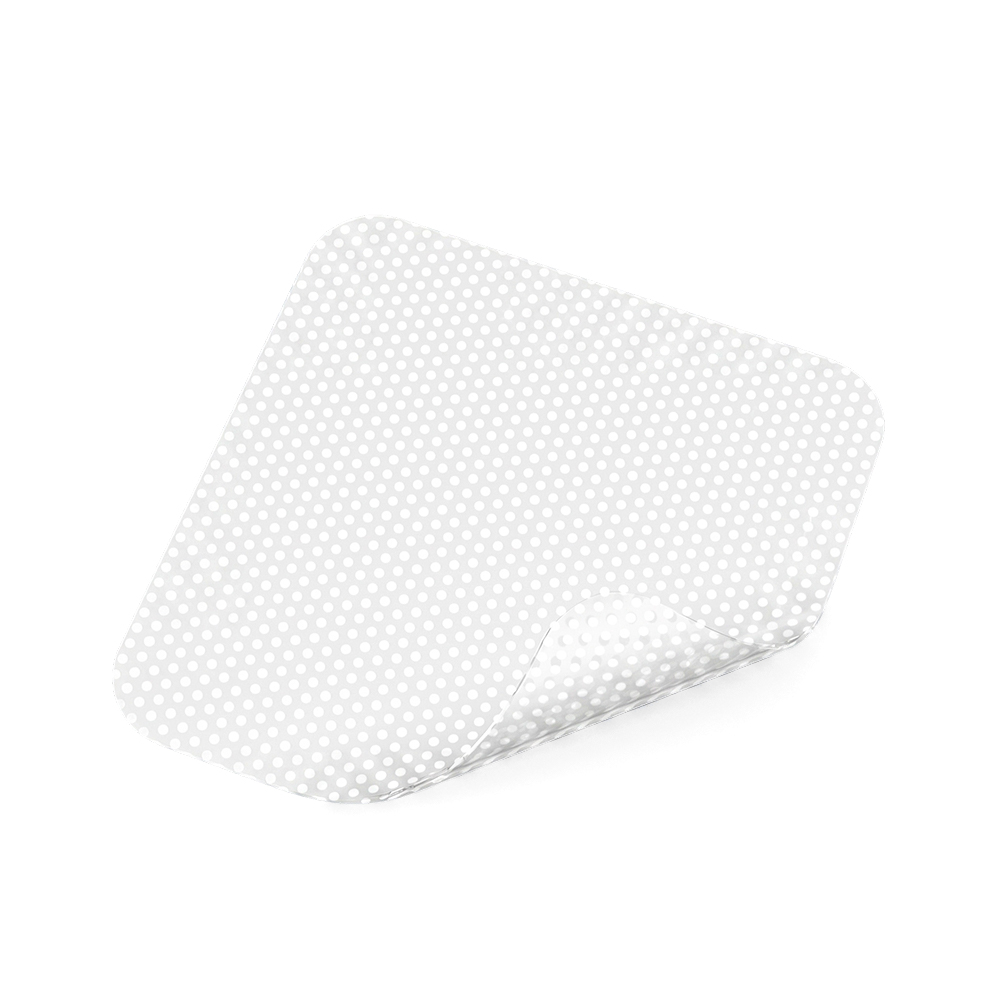
Silicone Wound Contact Layer Dressing is often referred to as a "second skin." Unlike the thick foam dressings you may have encountered previously, it is extremely thin and features a mesh-like structure; its primary function is to prevent the outer dressing from adhering to the wound's granulation tissue.
Our Advantages
-
 1. Rich experienceWe are the professional manufacturer of medical equipment with more than 20 years experience, major in Silicone Wound Contact Layer Dressing and other products.
 -
 2. Ample production capacityCurrently, we have 3 factories, capable of meeting both large and small customer orders.
 -
 3. Diverse product rangeWe have more than 200 kinds of SKU medical equipments.
 -
 4. Global market reachWe have exported our Silicone Wound Contact Layer Dressing products to over 60 countries worldwide, including key markets in Europe, Southeast Asia, Africa and Oceania.
 -
 5. High-quality client resourcesOur markets include more than 100 hospitals, first-aid suppliers, supermarkets and retail sports shops. We have cooperated with well-known domestic and international businesses for many years.
 -
 6. Strong customization capabilityMore than 10 professional technicians, provide perfect ODM services.
 -
 7.Complete team supportProfessional R&D team, quality inspection team, sales team, and comprehensive after-sales service.
 -
 8. Flexible order termsLower MOQ, flexible ODM&OEM process.
 -
 9. Efficient customer serviceRapidly response rate and can quickly and promptly resolve customer issues.
 -
 10. Integrated supply chainComplete Supply Chain: From materials to finished Silicone Wound Contact Layer Dressing products, everything is handled in our factory, not only ensuring quality, but more importantly, the new designs will not be leaked.
 -
 11. On-time deliveryDelivery is punctual, and we can deliver on time even during peak seasons.
Company
Suzhou Advan Medical Technology Co., Ltd.
ADVAN Medical (Suzhou Advan Medical Technology CO., LTD) is leading China Silicone Wound Contact Layer Dressing manufacturers and OEM/ODM Silicone Wound Contact Layer Dressing factory, the pioneering enterprise of ADVAN Group, has been a global leader in Medical industry, specializing in high-quality medical equipment and consumables since its establishment in 2003.
With 20+ years of experience in medical manufacturer and exporter, we specialize in first-aid, wound dressing, sport bandages, family healthcare and medical supply(such as gauze, bandages, cotton, medical tape and non-woven products). We have exported our products to 60+ countries worldwide, including Southeast Asia, Africa, Middle-east, Eastern Europe, Russia, South America and Oceania. Our customers include hospitals, first-aid suppliers, medical distributors and retailer shops.
In 2010, we established our first-aid factory to meet the demands of our customers. In 2018, to accommodate our growing requirements, we established our factory of kinesiology tape, cohesive bandages and elastic adhesive bandages. ADVAN Medical boasts a professional quality control team comprising hundreds of personnel who rigorously adhere to inspection procedures to ensure our products meet ISO13485:2016 standards. Most of our products are CE certified, and our Suzhou factories comply with FDA requirements.
With 20+ years of professional knowledge, skills, and dedicated team, we are committed to ensuring easy and fruitful cooperation and communication. We strive to satisfy your product needs and establish long-term cooperative relationships.
News
-
Self-adhesive electrode pads are the silent workhorses behind every TENS, EMS, and muscle-stimulation session. They deliver the low-voltage pulses that relieve pain, relax tight muscles, and speed up recovery, but only when the pad stays sticky and conducts evenly. With each use, the conductive hydrogel picks up skin ...
READ MORE -
A foam dressing is a soft, cushioning wound cover made from medical-grade polyurethane foam. It is designed to absorb exudate, keep the wound bed moist, and protect the healing area from friction and contamination. Because of its versatility, healthcare professionals rely on foam dressings for a wide range of acute an...
READ MORE -
Managing a wound at home means more than just placing a clean pad over it. The way a dressing fits can determine how quickly the wound heals and whether complications appear. One of the most common problems is a dressing applied too tightly. When a bandage squeezes the wound or the surrounding limb, it can reduce bloo...
READ MORE
Silicone Wound Contact Layer Dressing Industry knowledge
ADVAN Medical (Suzhou Advan Medical Technology Co., Ltd.) manufactures silicone wound contact layer dressings at our Suzhou facilities, where we have produced medical consumables since 2003. The range covers silicone wound contact layer dressing rolls, perforated silicone gel dressings for scar and wound care, and perforated silicone wound contact layer dressings, supplied to hospitals, first-aid suppliers, medical distributors and retail brands in more than 60 countries.
Our silicone wound contact layer dressing range is built around a thin, mesh-structured silicone layer that prevents the secondary absorbent dressing from adhering to granulation tissue. We produce these dressings as a wholesale Silicone Wound Contact Layer Dressing manufacturers programme, combining in-house coating, converting and cleanroom packaging with ODM/OEM support.
What We Manufacture in This Category
Silicone wound contact layers are the interface layer in a multi-layer dressing system. The silicone face sits on the wound bed, the perforations allow exudate to pass into the absorbent layer above, and the low-tack silicone surface releases without stripping new tissue. We coat and convert this material in roll, sheet and die-cut formats.
- Silicone Wound Contact Layer Dressing Roll — continuous roll format for converting lines, clinic cutting and secondary dressing assembly.
- Perforated Silicone Gel Dressing (Scar & Wound Care) — perforated gel sheet for scar management and wound interface use.
- Perforated Silicone Wound Contact Layer Dressing — die-cut perforated contact layer supplied in sterile or non-sterile formats.
Because we also produce the upstream materials, the contact layer can be matched to the absorbent dressing it will sit under. Our Wound Dressing range includes foam, hydrocolloid, alginate and transparent dressings, so a complete dressing stack can be specified and produced under one quality system.
Where the Contact Layer Fits
The contact layer is specified when the wound bed is fragile, when the secondary dressing would otherwise bond to the surface, or when atraumatic dressing changes are required. It is used as an interface under foam, gauze or negative pressure systems rather than as a standalone absorbent dressing.
Interface Under Foam
Pairs with our Silicone Foam Wound Dressing or standard foam where exudate management and non-adherence are both required.
Negative Pressure Systems
Used beneath NPWT Sponge where the wound bed needs protection from the foam interface.
Scar Management
Perforated gel formats support scar care programmes alongside our silicone gel dressing variants.
Configuration Options We Produce
Configuration is driven by the wound type, the secondary dressing and the converting equipment at the point of use. We confirm each variable before tooling or coating runs begin.
| Configuration Variable | Options We Supply | Typical Application |
|---|---|---|
| Format | Roll, sheet, die-cut pad | Converting lines, clinic use, retail packs |
| Perforation pattern | Perforated or non-perforated silicone gel | Exudate passage versus scar contact |
| Sterility | Sterile or non-sterile presentation | Operating room versus clinic and home care |
| Backing and release liner | Film or paper carrier, release liner options | Application handling and converting |
| Packaging | Bulk roll, pouch, branded retail carton | Distributor bulk supply or own-brand retail |
| Branding | Logo, colour and print artwork | ODM/OEM own-brand programmes |
Materials and Critical Specifications
The silicone gel layer determines tack, conformability and release behaviour. Perforation density and aperture size control how freely exudate moves into the absorbent layer, while carrier and liner choices affect how the product behaves on a converting line.
- Silicone gel layer — soft, low-tack, conformable to wound contours and surrounding skin.
- Perforation geometry — aperture size and open area balanced against exudate viscosity.
- Carrier and liner — selected for dimensional stability during coating, slitting and die-cutting.
- Thickness — thin mesh structure that keeps the dressing low-profile under secondary layers.
- Roll dimensions — slit width and roll length matched to downstream converting equipment.
Where a project requires a specific adhesive or backing combination, we draw on our Jumbo Raw Material Roll capability to coat and slit material to the required specification rather than relying on a fixed catalogue width.
Production, Quality Control and Compliance
Our Suzhou operations run coating, rewinding, cutting and packaging under ISO 13485:2016 quality management, with GMP-standard cleanroom production and a dedicated inspection team following documented procedures. Most of our products are CE certified, and our Suzhou factories comply with FDA requirements.
- Incoming raw material inspection before coating runs.
- In-process checks on coating weight, perforation and slit width.
- Stability and microbiological testing for dressing products.
- Sample retention and traceability records maintained for each batch.
- Documentation prepared to support EU and FDA market requirements.
ODM/OEM and Customization
We handle own-brand programmes from concept through to packed finished goods. Customization covers shape, colour and logo design as well as material, specification, size and packaging, supported by more than ten technical staff working on ODM projects.
- Requirement confirmation, samples and project planning.
- Material and formula development against the target market.
- Cleanroom coating, rewinding, cutting and packaging.
- Quality control testing and batch documentation.
First samples are typically produced within 3–7 business days, with 1–3 modification rounds available depending on product type and development needs. Minimum order quantities start at 1,000–10,000 units per specification for medical consumables, with higher thresholds for Pantone colour customization and custom printed packaging.
Information We Use to Configure Your Solution
To prepare an accurate configuration and quotation, we work from the following project inputs. The more precisely these are defined, the faster we can confirm tooling, sampling and packaging.
| Project Input | What We Confirm From It |
|---|---|
| Wound type and exudate level | Perforation pattern and silicone gel grade |
| Secondary dressing used above the contact layer | Thickness, format and compatibility |
| Target pad or roll dimensions | Die tooling, slit width and roll length |
| Sterile or non-sterile requirement | Packaging format and processing route |
| Branding and artwork | Print method, pouch and carton specification |
| Target market and regulatory route | Documentation package and labelling content |
| Order volume and delivery schedule | MOQ, production planning and shipment scope |
Packaging, Delivery and Documentation
We supply contact layer dressings in bulk roll form for converters, in sterile pouches for clinical use and in branded retail cartons for distributors. Packaging design, printing and carton specification are handled alongside production so that finished goods leave our factory ready for the destination market.
Shipment documentation, batch records and product labelling are prepared according to the target market. Our integrated supply chain keeps material sourcing, coating, converting and packaging within our own operations, which supports consistent quality and protects customer-specific designs.
Frequently Asked Questions
What formats of silicone wound contact layer dressing do you manufacture?
We produce silicone wound contact layer dressing rolls, perforated silicone gel dressings for scar and wound care, and perforated silicone wound contact layer dressings. Formats include continuous roll, sheet and die-cut pad, supplied sterile or non-sterile depending on the application.
Can you supply the contact layer together with the absorbent dressing above it?
Yes. Our Wound Dressing range covers foam, hydrocolloid, alginate, transparent and NPWT sponge products, so we can produce a matched dressing stack and confirm compatibility between the contact layer and the secondary dressing during configuration.
Do you offer OEM and ODM services for own-brand wound care ranges?
We provide both. OEM covers production to your design and specification, while ODM covers product design and manufacturing under your brand. Customization extends to shape, colour, logo, material, size and packaging, with more than ten technical staff supporting development work.
What quality documentation accompanies your silicone dressings?
Production follows ISO 13485:2016 quality management with GMP-standard cleanroom manufacturing. We maintain stability and microbiological testing, sample retention and traceability records, and prepare documentation to support EU and FDA market requirements.
What is the minimum order quantity and sampling time?
Minimum order quantities start at 1,000–10,000 units per specification for medical consumables, with higher thresholds for Pantone colour and custom printed packaging. First samples are typically ready within 3–7 business days, with 1–3 modification rounds available.
Which markets do you currently supply?
Our products are exported to more than 60 countries, including Southeast Asia, Africa, the Middle East, Eastern Europe, Russia, South America and Oceania. Customers include hospitals, first-aid suppliers, medical distributors and retail shops.
Leading wholesale Silicone Wound Contact Layer Dressing manufacturers, including a full range of Wound Dressing, Hydrocolloid Medical Products.


Copyright © 2026 by Suzhou Advan Medical Technology Co., Ltd. All Rights Reserved. This website is intended for regions outside China. Approval No:20240008
