English
 Français
News
Home / News / Industry News / Preventing MARSI: Choosing Gentle-to-Skin Medical Tape for Fragile Skin

Your trusted medical supplies manufacturer.
No. 10 Ousheng Avenue, Pingwang Town, Wujiang District, Suzhou City, Jiangsu Province, China
+86 133 5801 3454
jasonzhangcas@gmail.com
Content
Medical adhesive-related skin injury, usually shortened to MARSI, is one of the most preventable complications in modern patient care, yet it still appears in ward audits, neonatal units and home-care visits every week. The damage is rarely caused by one dramatic event: it develops when an adhesive is chosen for convenience rather than compatibility with the skin beneath it.
This guide explains how MARSI develops, which backing and adhesive combinations are gentlest on fragile skin, and how to build a selection and removal routine that protects patients from the first application to the final peel.
The international consensus definition describes MARSI as a visible cutaneous abnormality that persists after the adhesive has been removed.
MARSI is a prevalent but under-recognised condition characterised by erythema and/or other manifestation of cutaneous abnormality, including but not limited to vesicle, bulla, erosion or tear, that persists 30 minutes or more after removal of the adhesive.
Clinically, adhesive injuries fall into three families.
Because skin can look normal for hours after the tape comes off, MARSI is often blamed on fragile skin rather than on the adhesive itself. Documenting every episode, including the product used, the wear time and the removal method, is the fastest way to identify which tapes should leave a formulary.
Understanding how an adhesive damages skin makes tape selection far more logical than simply reaching for the roll that sticks hardest.
Gentle is not a marketing word; it describes measurable behaviour. A skin-friendly tape usually shows most of the following characteristics.
No single tape suits every patient. The table below summarises how the most common clinical tapes behave on fragile skin.
| Tape construction | Typical adhesive | Adhesion profile | Where it works best | Main caution |
|---|---|---|---|---|
| Nonwoven paper | Acrylic | Low | Light dressings, paediatric and fragile skin | Limited moisture resistance |
| Silk or soft cloth | Acrylic | Moderate | Conforming fixation at joints, tubing | Higher peel, avoid on thin skin |
| Cotton cloth | Acrylic or rubber | Moderate to high | General ward use, breathable fixation | Residue and higher peel force |
| PE film, transparent | Acrylic | Moderate to high | Waterproof fixation over intact skin | Occlusion and maceration risk |
| Zinc oxide cloth | Rubber and zinc oxide | High | Compression and strapping | Sensitivity and tough removal |
| Silicone gel adhesive | Silicone | Very low | Neonates, older adults, repeated changes | Lower initial tack |
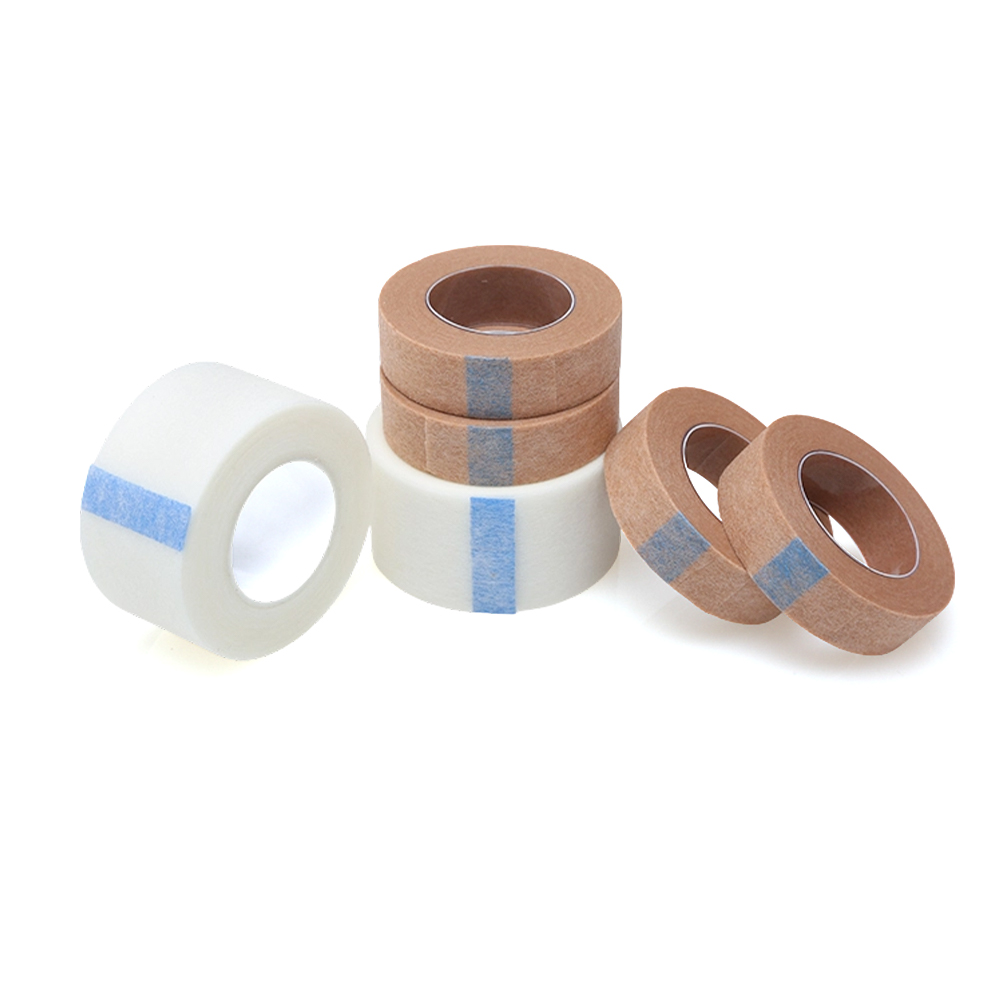
Nonwoven paper tape is the practical starting point for most fragile-skin protocols. Its lightweight backing and low-peel acrylic adhesive hold a light dressing securely while letting skin breathe, and it releases with far less resistance than film or cloth alternatives.
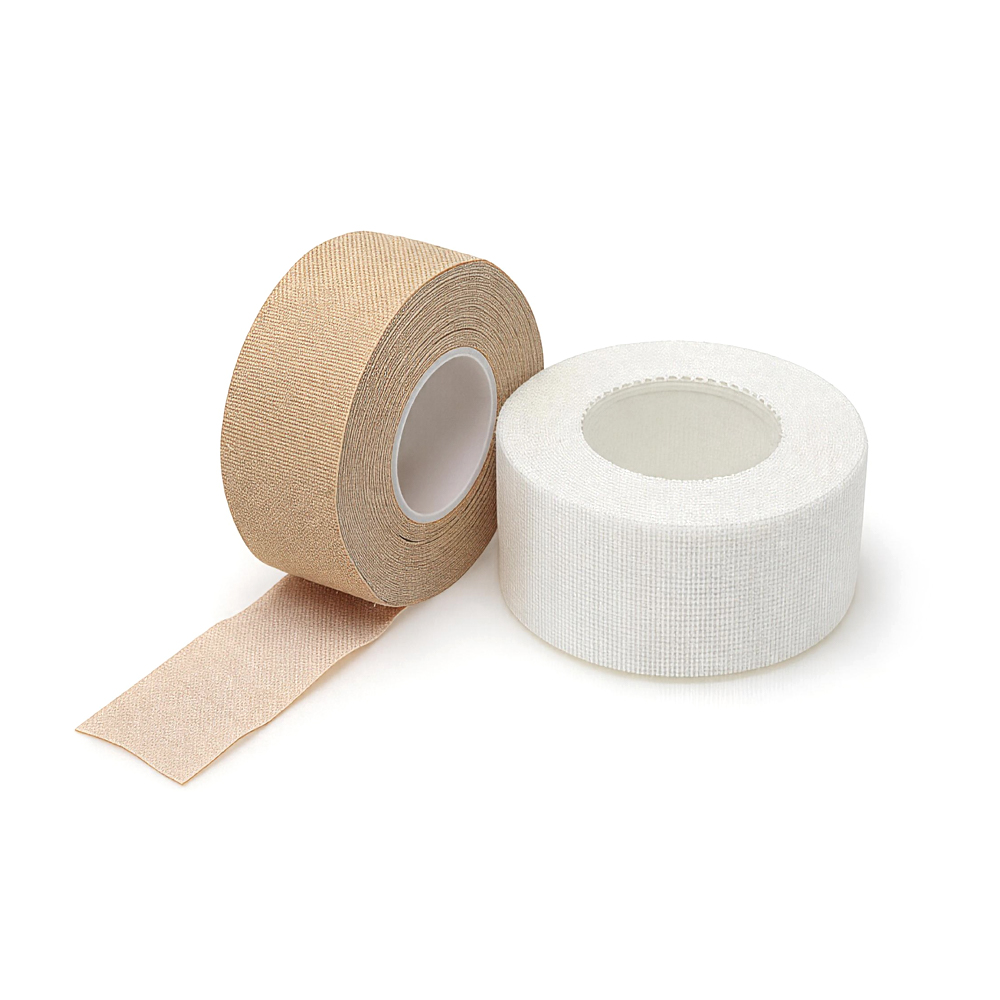
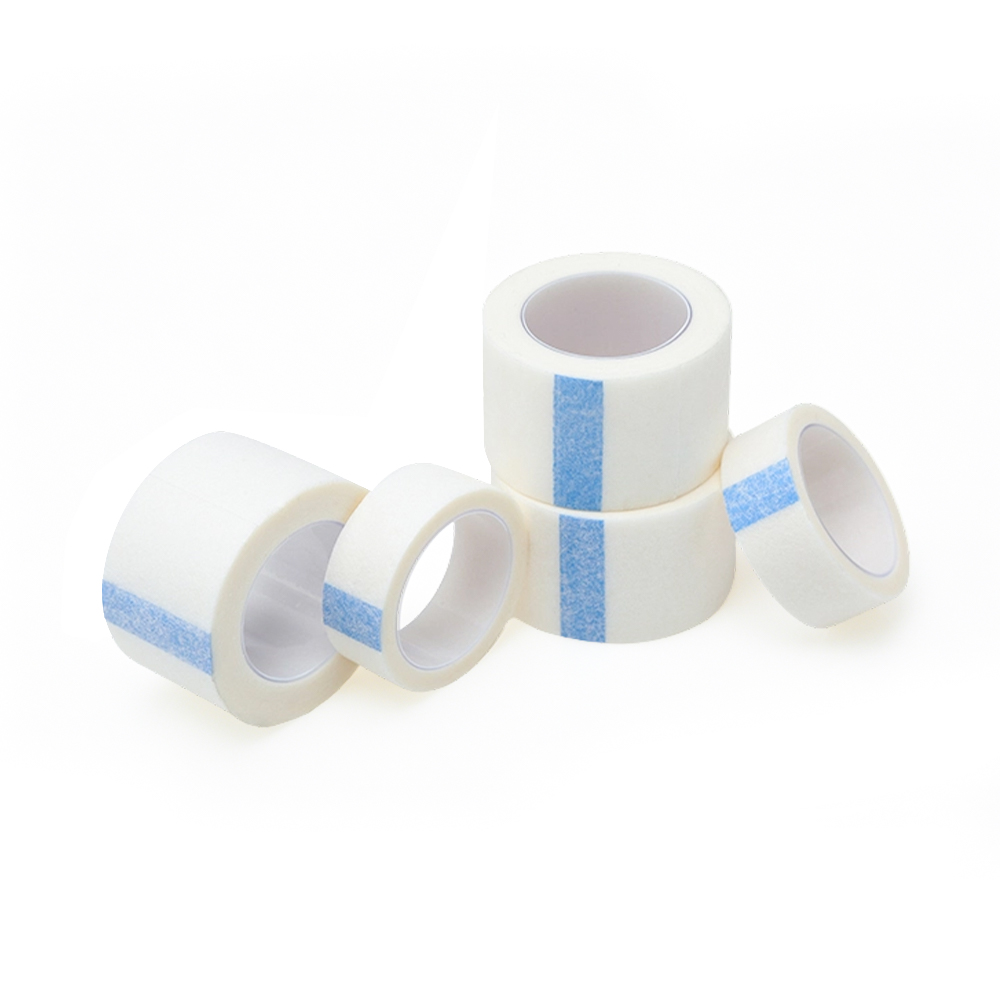 Non-Woven Paper Medical Tape for Sensitive SkinBreathable, hypoallergenic paper tape that secures light dressings and releases gently, making it a practical choice for fragile-skin protocols.View Product →
Silk and soft cloth tapes bridge the gap between gentle and durable. They conform around fingers, joints and drainage tubing, which reduces the need to stretch tape during application, one of the most common causes of tension blisters.
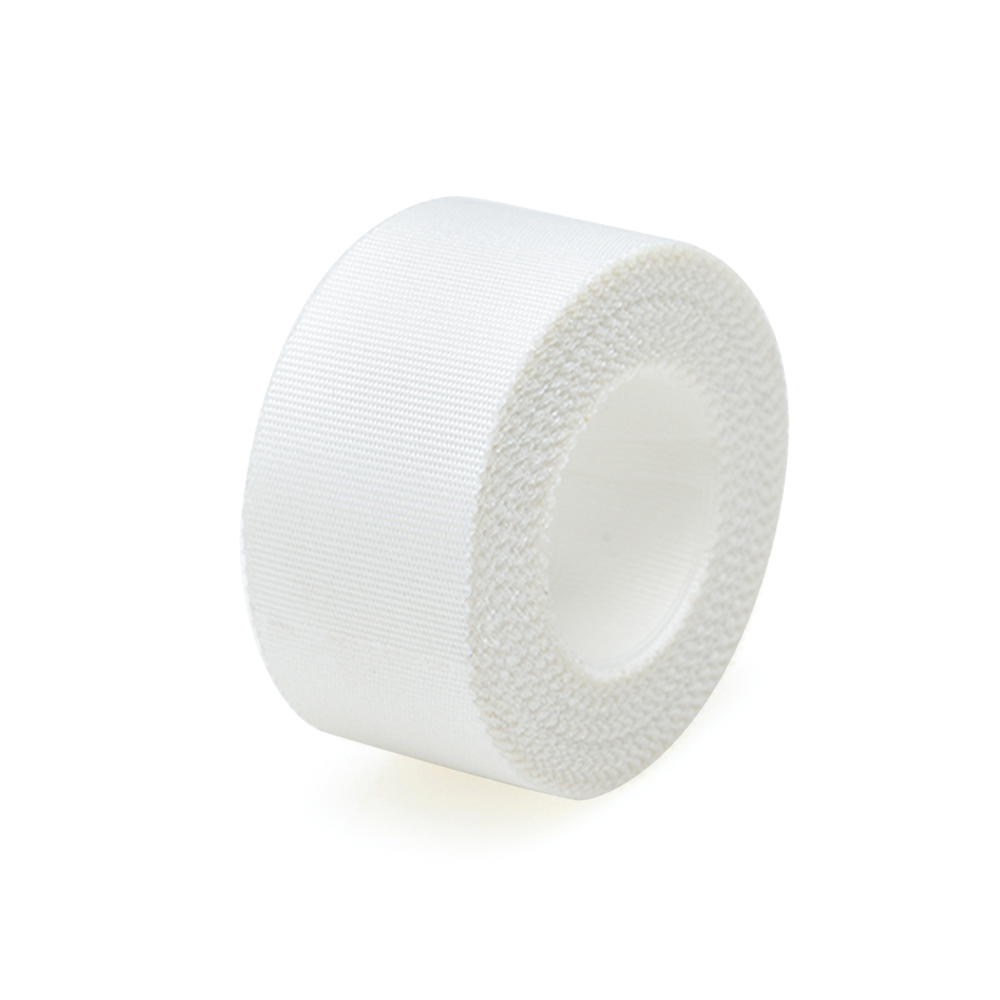 Medical-Grade Silk Tape with Hypoallergenic Acrylic AdhesiveBreathable silk tape provides secure adhesion even on damp skin and removes cleanly, bridging gentle fixation and durable support for dressings and devices.View Product →
Transparent PE film and traditional zinc oxide tapes still have a place: waterproof fixation over intact skin, and compression where high adhesion is genuinely required. Treat them as the exception rather than the default for anyone with compromised skin.
Preventing MARSI sometimes means not using tape at all. If a patient has already had one adhesive injury, or if the skin is paper-thin, oedematous or macerated, an adhesive-free or silicone-adhesive alternative will often hold the dressing just as well.
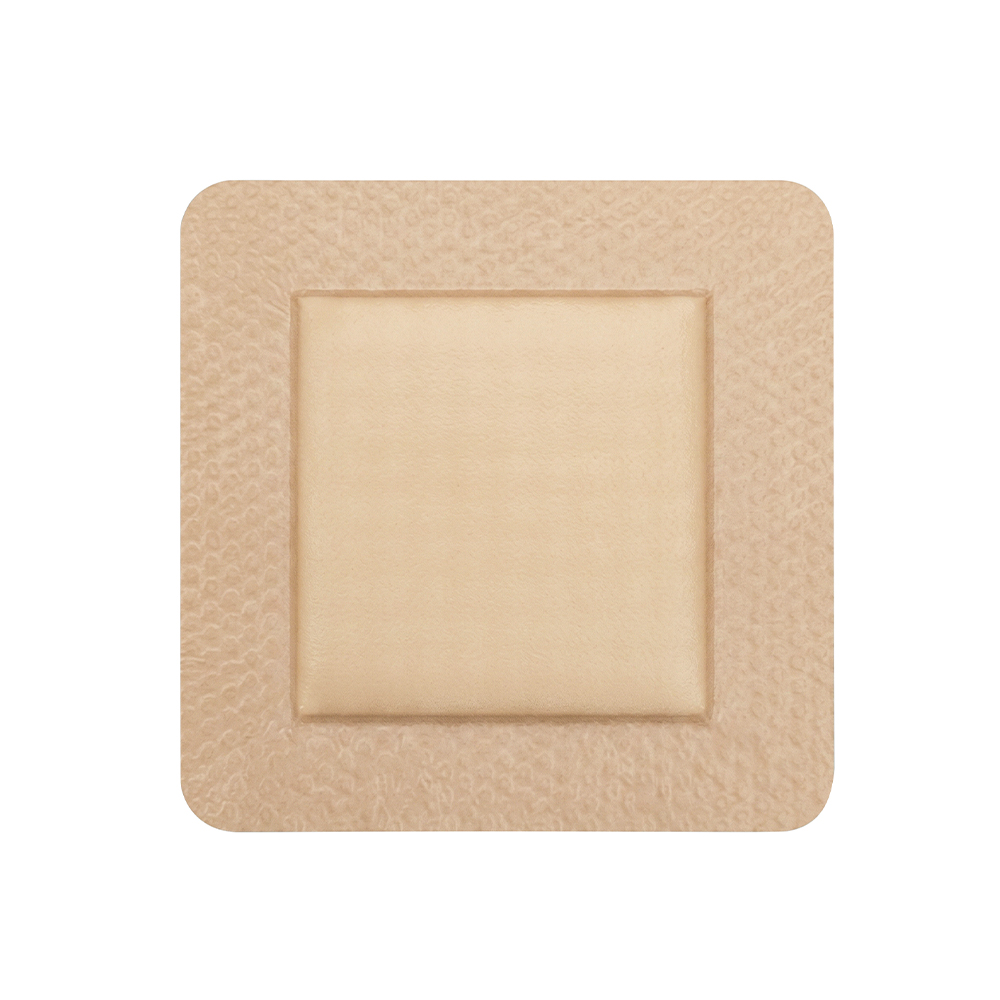 5x5 cm Silicone Bordered Foam DressingSterile foam dressing with soft silicone border offers absorbent, waterproof, cushioned care for fragile skin and exuding wounds where adhesive contact must be limited.View Product →
Where adhesive is unavoidable, limiting the contact area is the next best step: use the narrowest strip that will do the job, and never frame a dressing in a continuous ring of tape.
Even the gentlest tape can injure skin when technique is poor. This sequence covers the steps that most reliably reduce adhesive trauma.
Certain groups should start on a low-peel tape from the first application rather than after an injury has already occurred.
Prevention protocols only work when the product itself is consistent. A tape that measures low peel force in one delivery and noticeably higher adhesion in the next will undermine even the best clinical routine.
For distributors, first-aid suppliers and hospital procurement teams, this is where manufacturing discipline matters. A supplier that produces its own medical adhesive, tape backing, jumbo roll and release paper controls the variables that determine how gently a finished tape leaves the skin, and documented systems such as quality control built on ISO 13485:2016 keep those variables inside a defined range.
Consistency also supports the commercial picture. Buyers who need a skin-friendly tape range alongside dressings, bandages and securement products can consolidate specifications with one manufacturer instead of reconciling tolerances across several, and ODM or OEM programmes make it easier to specify adhesive strength, backing type and packaging around a defined patient population.
MARSI stands for medical adhesive-related skin injury. It covers erythema, blisters, erosions and tears that persist for 30 minutes or more after an adhesive is removed, including mechanical, irritant, allergic and moisture-related presentations.
Silicone gel adhesives are generally the least traumatic, because they release with very low peel force and leave no residue. Where a traditional adhesive is required, nonwoven paper tape with a low-peel acrylic adhesive is the next gentlest option.
Most guidance suggests reassessing adhesive sites every 24 to 48 hours and changing tape as soon as edges lift. The longer an adhesive remains on skin, the stronger the bond becomes and the greater the risk of stripping on removal.
Management begins with removing the offending adhesive, avoiding further tape on the affected area and protecting the skin with a gentle barrier or silicone dressing. Prevention is the more important step: switch to a lower-peel product, improve technique and document the event.
MARSI prevention is a product decision and a technique decision in equal measure. Get both right, and the tape on a fragile patient becomes one of the safest items on the trolley instead of one of the most damaging.
Leading custom medical supplies manufacturers, including a full range of Wound Dressing, Hydrocolloid Medical Products.


Copyright © 2026 by Suzhou Advan Medical Technology Co., Ltd. All Rights Reserved. This website is intended for regions outside China. Approval No:20240008

 Previous