 English
 Français
News
Home / News / Industry News / NPWT Foam Sponges vs. Gauze Kits: Pressure Distribution & Granulation Growth

Your trusted medical supplies manufacturer.
No. 10 Ousheng Avenue, Pingwang Town, Wujiang District, Suzhou City, Jiangsu Province, China
+86 133 5801 3454
jasonzhangcas@gmail.com
Content
Negative pressure wound therapy (NPWT) rests on a simple principle: hold a controlled vacuum against a wound bed and let a porous interface material translate that vacuum into mechanical and biological effects. The vacuum source is largely standardized; the interface is not. Foam sponges and gauze kits both transmit pressure, manage exudate and support granulation tissue growth, yet they shape the pressure field across a wound in different ways.
That difference matters at the bedside. The interface decides how evenly suction spreads through a cavity, how much microdeformation the wound surface experiences, how often dressings are changed, and what the therapy costs per patient day.
An NPWT system has four working parts: a vacuum pump, a tubing set, an occlusive drape and the interface material placed in the wound. The pump generates sub-atmospheric pressure, commonly between −75 mmHg and −125 mmHg depending on protocol, and the drape seals the wound so the gradient can be maintained.
Pressure transmission depends on the geometry of the interface. The material must convert a single suction point at the tubing connector into a distributed load across the whole wound surface. When transmission is uneven, parts of the wound bed collapse under suction while other regions stay close to atmospheric pressure, and the therapeutic effect becomes patchy.
Four mechanisms are usually cited to explain the therapy:
The first two are the mechanisms most sensitive to the choice between foam and gauze, because they depend on pore size, pore interconnectivity and how the material contacts the wound bed.
NPWT foam is an open-cell polymer. The black variant is hydrophobic polyurethane with a typical pore diameter of roughly 400 µm to 600 µm; the white variant is polyvinyl alcohol with a smaller, denser and hydrophilic pore structure. In both cases the cells are interconnected rather than closed, which lets air and fluid move through the material in three dimensions.
That network is why foam is generally described as delivering a more uniform pressure field. Because every pore connects to its neighbours, the vacuum spreads laterally through the whole block instead of concentrating at the contact point. Tissue is drawn into pores across the entire wound surface, so microstrain is distributed fairly evenly.
Even microstrain has a biological consequence. Mechanical deformation of the wound surface is believed to trigger mechanotransduction pathways that increase fibroblast proliferation, collagen deposition and capillary formation. This is the theoretical link between foam's open-cell structure and the rapid granulation response many clinicians associate with foam-based therapy.
 Medical-Grade PU NPWT Foam Sponge BlockOpen-cell PU foam for NPWT, cuttable for irregular wounds, with high porosity to absorb exudate and support granulation under negative pressure.View Product →
Foam also has constraints. Hydrophobic polyurethane needs no moistening, which shortens application time, but new tissue can grow into the pores. That ingrowth supports granulation and complicates removal, because pulling the sponge away may cause bleeding and discomfort. Pore size, dwell time and pressure setting all influence how much ingrowth occurs. For a wider view of how porous dressings behave on different wound surfaces, see this overview of foam dressing benefits and types.
Gauze-based NPWT uses woven cotton, usually combined with a perforated non-adherent contact layer, moistened with sterile saline before the drape is applied. The yarns themselves are not porous; open space exists only between the woven threads. Pressure therefore travels through the interstices of the weave rather than through a continuous three-dimensional pore network.
The practical result is a less homogeneous pressure field. Suction reaches the wound bed through discrete openings, so contact pressure concentrates where yarn crosses the surface and falls away between threads. Experimental work suggests the pressure gradient across a gauze-filled wound is steeper than across a foam-filled wound of similar volume.
Gauze compensates with other properties:
The trade-offs run the other way. Moistening adds preparation time, the weave can dry and adhere if the seal fails or the change interval is too long, and every piece must be counted on insertion and removal to avoid a retained dressing.
The table summarizes how the two families differ in structure, pressure behaviour and clinical handling. Entries describe general tendencies rather than fixed specifications.
| Parameter | Foam Sponge | Gauze Kit |
|---|---|---|
| Structure | Open-cell polymer, interconnected pores | Woven cotton yarn, open interstices |
| Pore or opening size | Approx. 400 µm to 600 µm for polyurethane | Macro openings between non-porous fibres |
| Pressure distribution | Relatively uniform across the wound bed | Less uniform, concentrated at yarn contact points |
| Microdeformation | Pronounced at every pore edge | Limited to weave openings |
| Moistening required | No for hydrophobic foam | Yes, saline-moistened before sealing |
| Granulation response | Rapid in many comparative reports | Comparable at equivalent pressure in several trials |
| Pain on removal | Often higher due to tissue ingrowth | Generally lower when kept moist |
| Relative material cost | Higher | Lower |
| Best anatomical fit | Deep cavities with high exudate | Irregular, tunneled or undermined wounds |
Comparative studies do not produce a single winner. Randomized trials and systematic reviews that match pressure settings and change intervals generally report broadly similar healing outcomes for foam and gauze interfaces, with differences appearing in secondary endpoints rather than in overall closure.
Where foam tends to lead is speed of early response: several trials describe faster reduction in wound volume and earlier readiness for grafting during the first two weeks. Where gauze tends to lead is cost and comfort: material expenditure is lower, and patient-reported pain during dressing changes is frequently reduced.
Mechanism matters more than material. Granulation depends on sustained negative pressure, a reliable seal, sensible change intervals and adequate patient perfusion and nutrition. An interface changed too often, or a drape that leaks, will underperform whether it is foam or gauze.
It is also worth separating pressure distribution from clinical outcome. A more uniform pressure field does not automatically produce more granulation tissue; it changes where the mechanical stimulus is applied. In deep cavities uniformity is usually an advantage, while in shallow or highly irregular wounds conformability can matter more than even spread.
Most protocol decisions come down to wound geometry, exudate level and patient tolerance. The following patterns reflect common practice:
Interface choice should not compensate for an incorrect pressure setting. Foam and gauze respond differently to the same vacuum level, and gauze-filled wounds may need adjusted settings to achieve comparable tissue deformation. Whatever the material, the seal and the change interval determine whether the therapy works as intended.
Foam sponges and gauze kits are only as good as their manufacturing consistency. Pore diameter that varies between lots changes how pressure spreads; gauze with inconsistent weave density changes how a wound packs. For distributors and hospital procurement teams, the specification sheet matters as much as the price list.
Points worth confirming with any supplier:
 Negative Pressure Wound Therapy Disposable Dressing KitAll-in-one EO sterilized NPWT/VSD kit with PU foam, tubing and sealing films for managing exudate and edema in chronic and acute wounds.View Product →
ADVAN Medical manufactures wound care consumables in Suzhou, China, including NPWT foam blocks, VSD dressing kits and gauze-based products, and supplies hospitals, first-aid suppliers, distributors and retailers in more than 60 countries.
In general, yes. Foam's interconnected open cells let suction spread laterally through the whole block, while gauze transmits pressure through a woven structure, producing more localized contact points. The gap narrows when gauze is packed evenly and kept properly moistened.
Comparative trials most often describe foam as producing faster early wound volume reduction, while gauze produces comparable results at equivalent pressure settings. The difference is usually modest and is frequently outweighed by seal quality, pressure level and change interval.
They can. Some clinicians pack narrow tracts with gauze and fill the main cavity with foam so both regions receive suction. The approach requires careful documentation of every piece inserted so nothing is retained.
Material cost per dressing is usually lower, but total cost depends on preparation time, change frequency, nursing workload and kits consumed per week. In high-volume programmes, foam's longer effective dwell time can narrow the gap.
Foam sponges and gauze kits are less competing therapies than two ways of shaping the same vacuum. Foam's open-cell network distributes negative pressure more evenly and drives stronger microdeformation at the wound surface; gauze conforms to awkward geometry, costs less and is gentler at removal. The right choice follows the wound, its depth, its exudate, its pain profile and the resources of the team managing it. Align the interface, the seal and the change interval, and granulation tissue will follow.
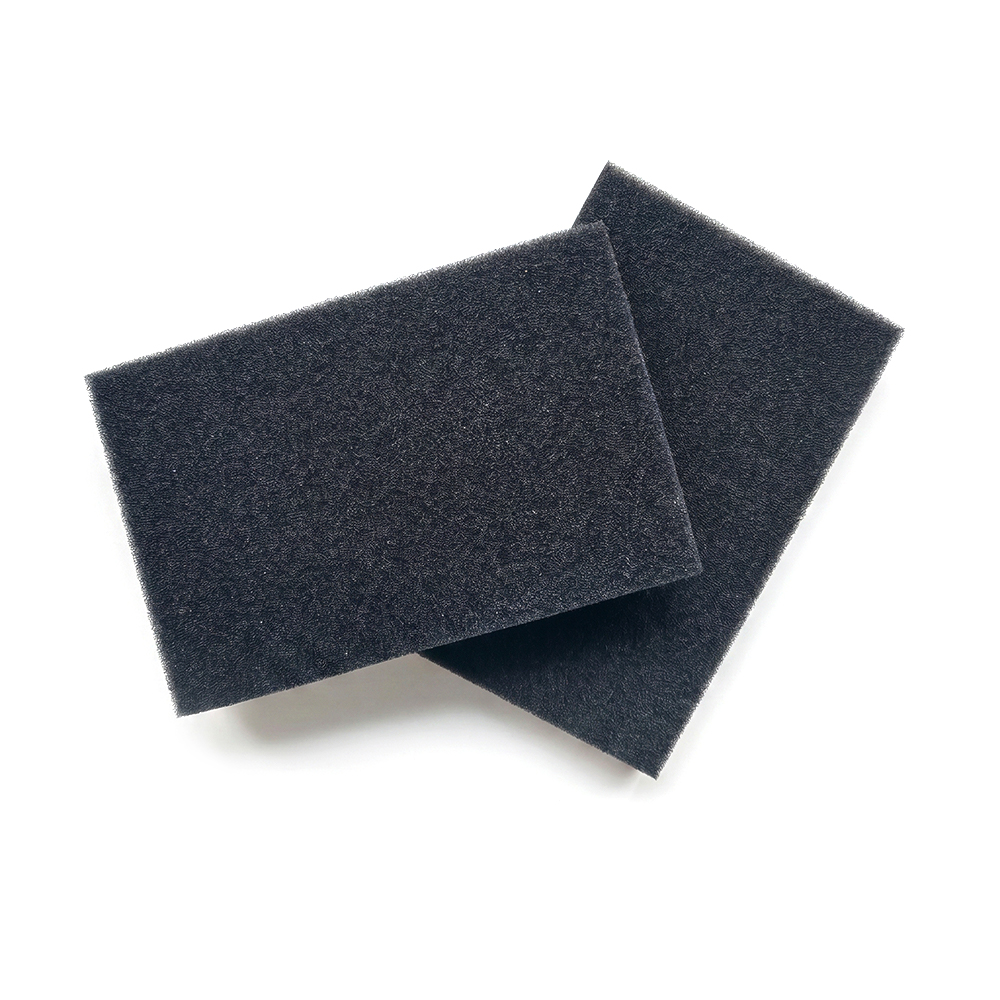 Negative Pressure Wound Therapy (NPWT) Foam Sponge Block
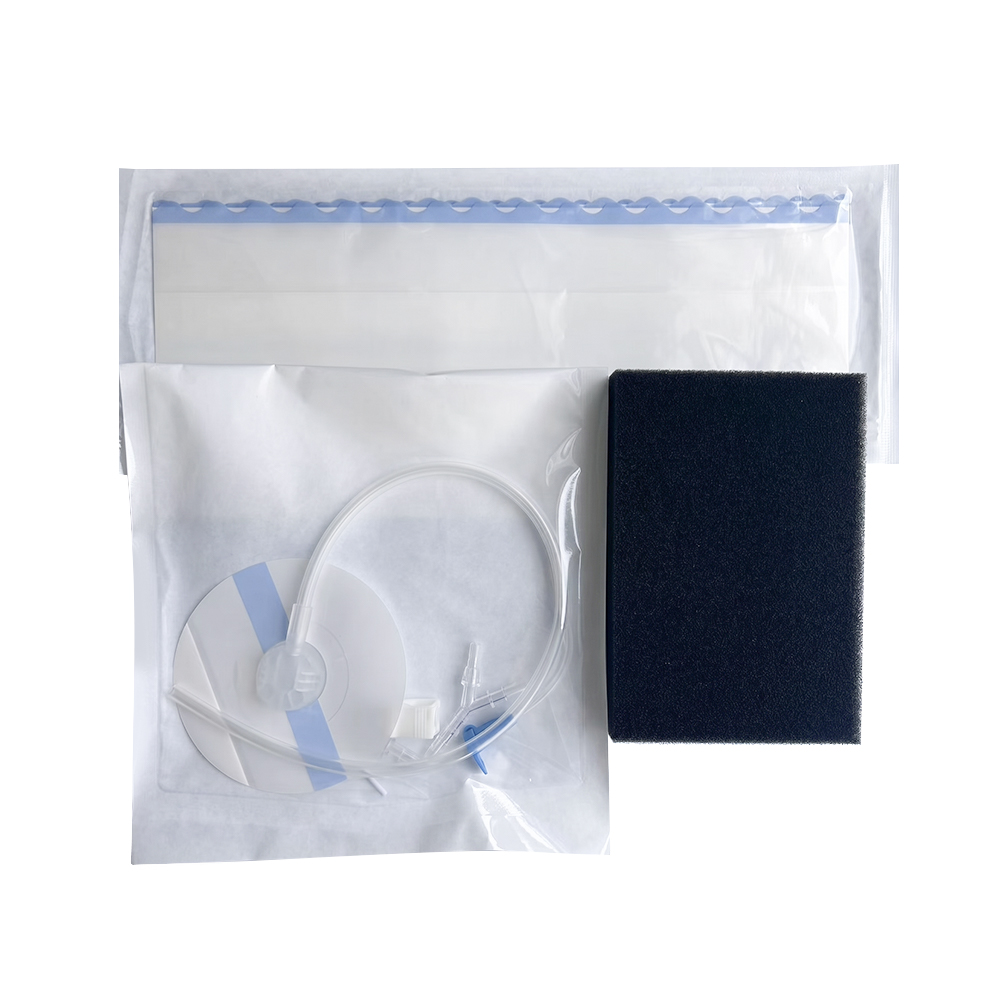 Negative Pressure Wound Therapy (NPWT/VSD) Disposable Dressing Kit
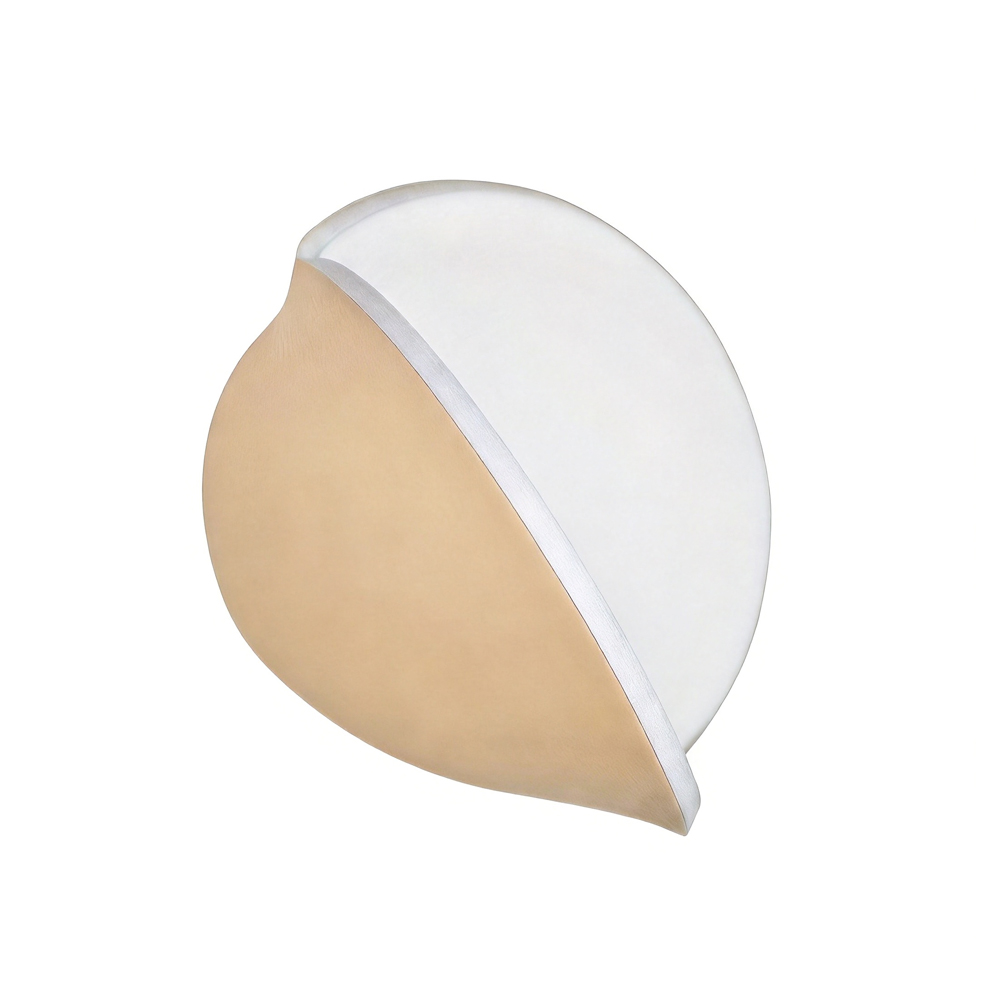 Heel Silicone Foam Pressure Relief Dressing
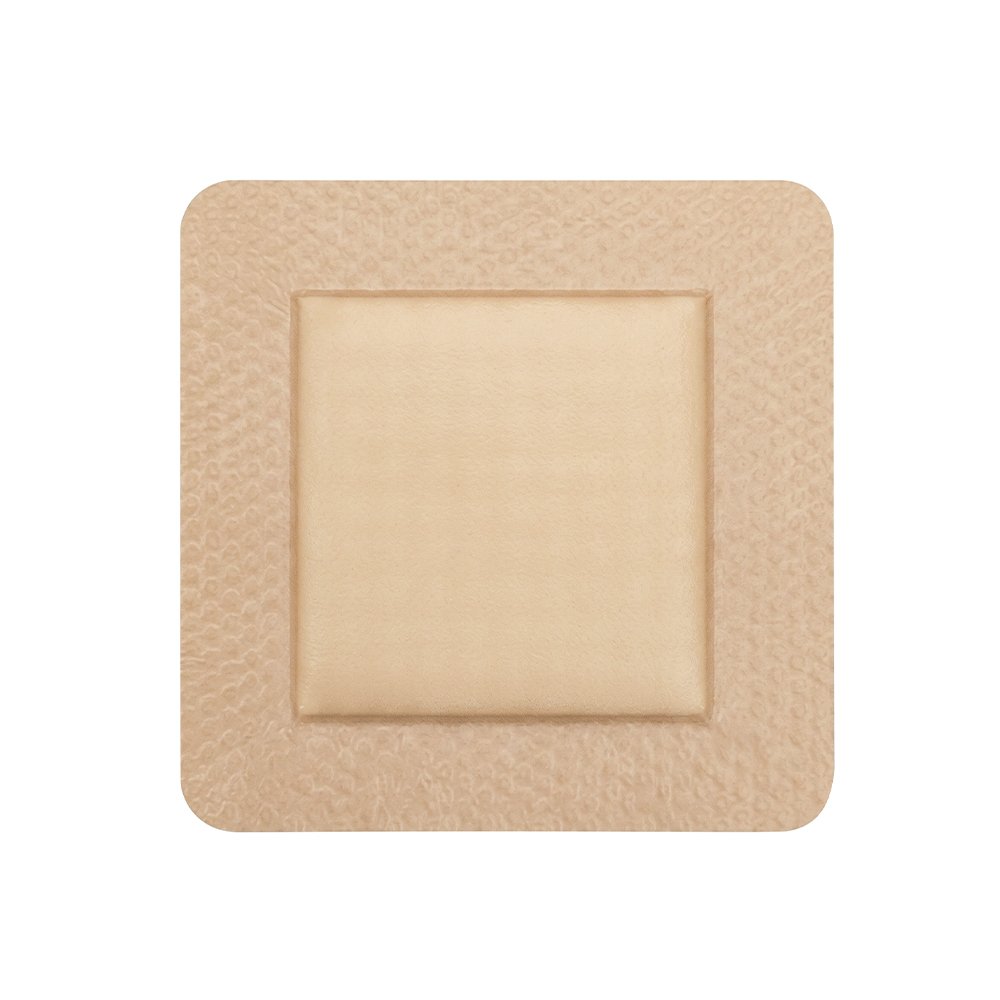 5x5cm Silicone Bordered Foam Dressing
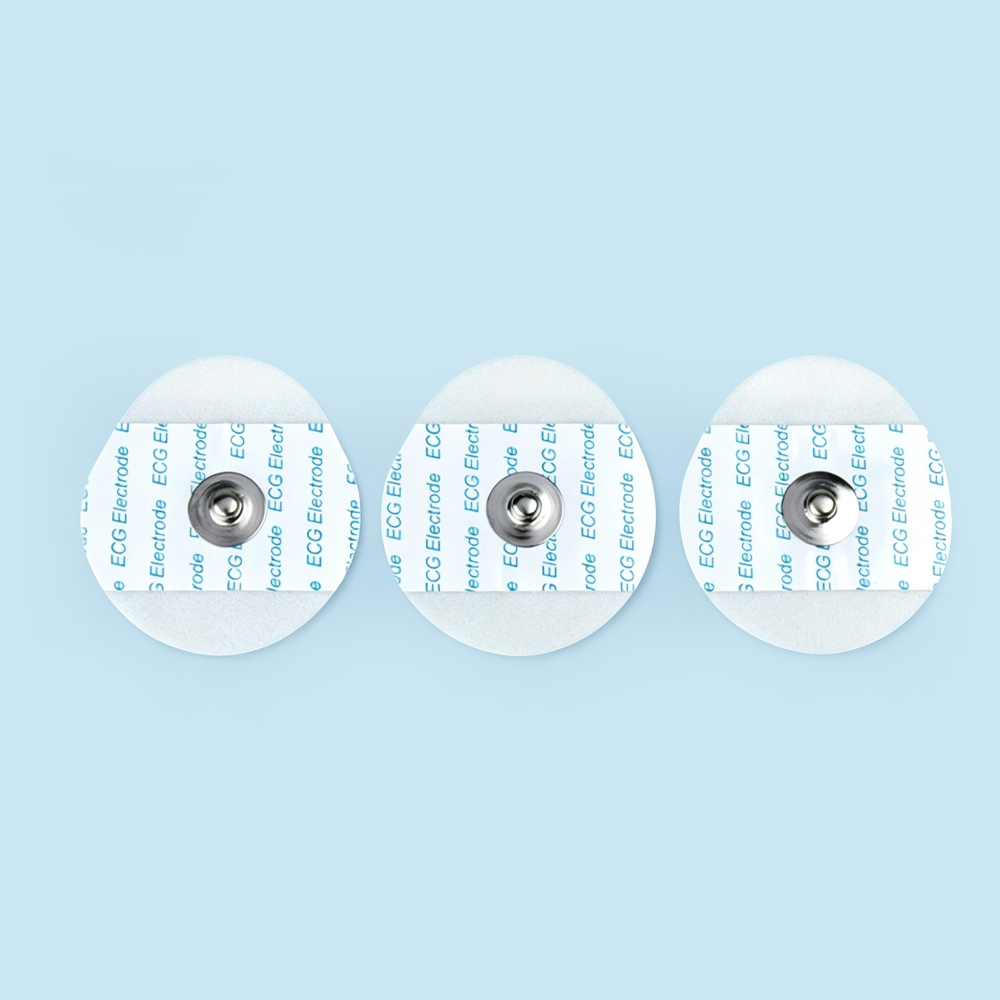 36*40mm Disposable Teardrop Foam ECG Electrodes
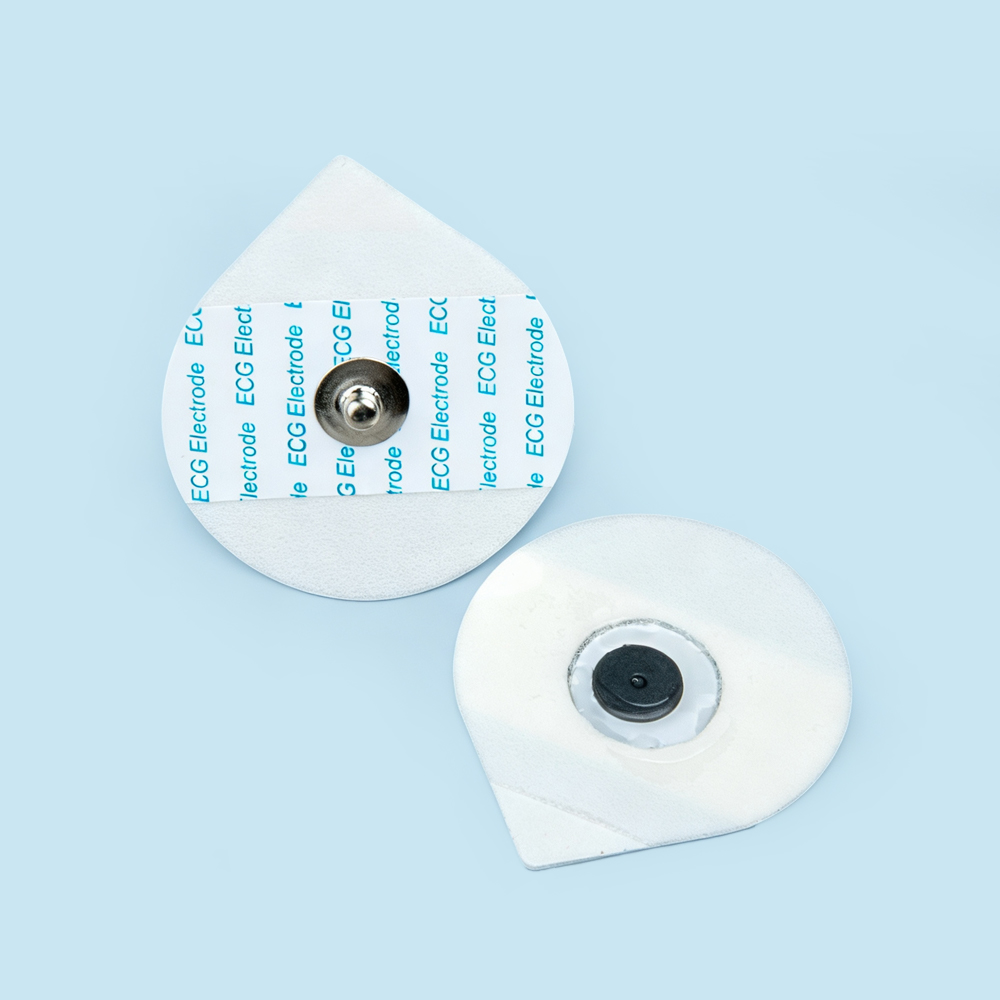 30*36mm Disposable Teardrop Foam ECG Electrodes
Leading custom medical supplies manufacturers, including a full range of Wound Dressing, Hydrocolloid Medical Products.


Copyright © 2026 by Suzhou Advan Medical Technology Co., Ltd. All Rights Reserved. This website is intended for regions outside China. Approval No:20240008

 Previous