 English
 Français
TENS Electrode Pad

Your trusted medical supplies manufacturer.
No. 10 Ousheng Avenue, Pingwang Town, Wujiang District, Suzhou City, Jiangsu Province, China
+86 133 5801 3454
jasonzhangcas@gmail.com
MAKE A REQUEST
Product Categories
- Jumbo Raw Material Roll
- Wig Tape
- Wound Dressing
- Medical Tape
- Electrode Pad
- Postoperative Nutrition
- Postoperative Excretion
- Rehabilitation Braces
- First Aid Kit
- Medical Cotton Products
- Medical Gauze
- Bandages
- Patient Transfer
- Hospital Furniture
- Labour Safety
- Daily Homecare
- Medical Diagnose
- Hot&Cold Therapy
-
Body Patch
- Double Eyelid Sticker
- Eyelash Extension Patch
- Amblyopia Patch
- Acne Pimple Patch
- Facial Tape
- Wrinkle Tape
- Nasal Strip
- Mouth Tape
- Waterproof Ear Sticker
- Neck Wrinkle Patch
- Breast Care
- Underarm Pad
- I.V. Dressing
- Catheter Fixation Patch
- Scar Tape
- Wound Closure
- Waterproof Swimming Patch
- Thigh Patch
- Foot Care
- Clothes Sticker
TENS Electrode Pad Manufacturers
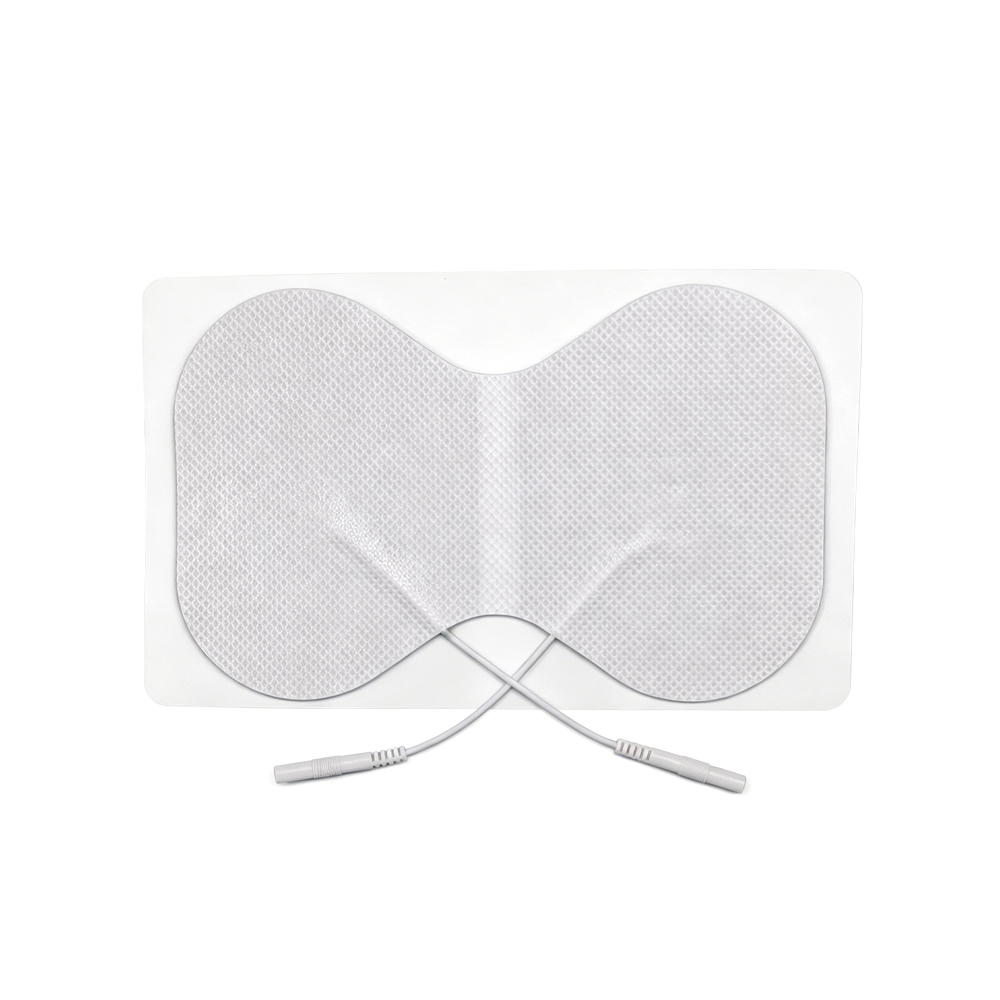
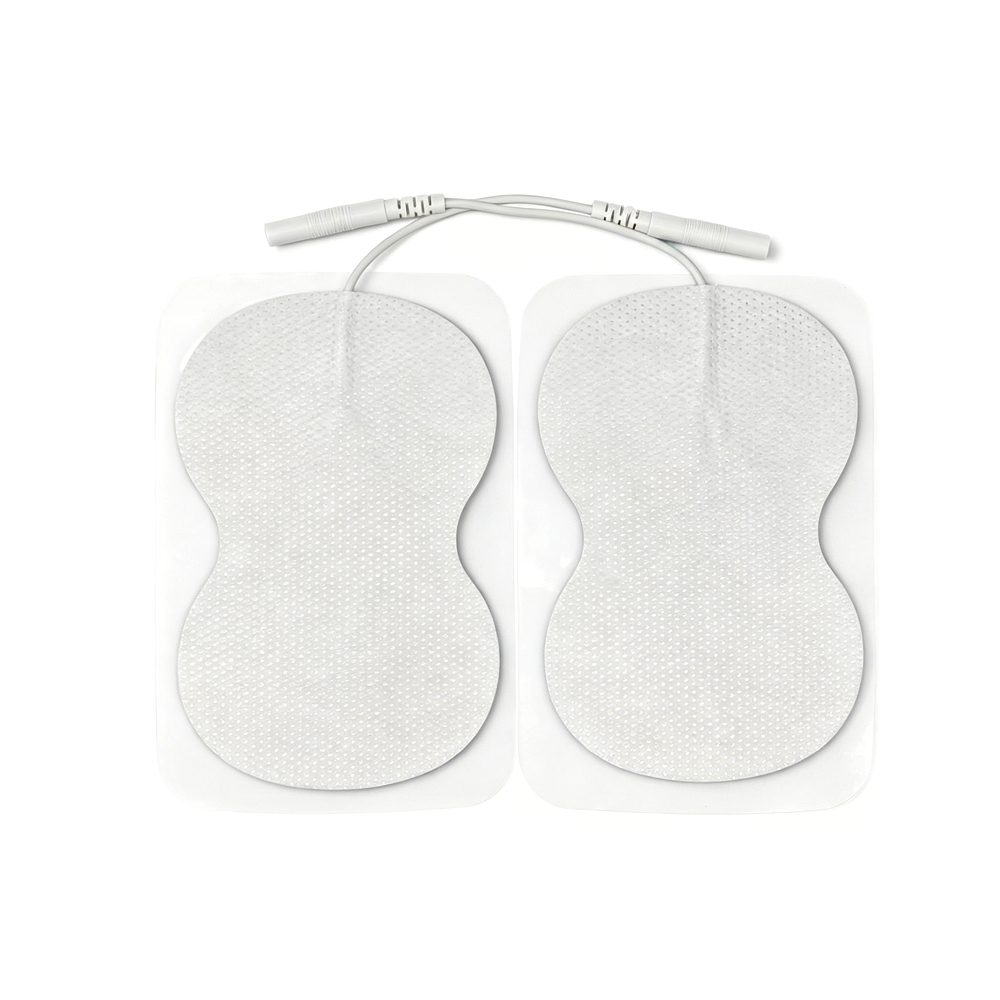
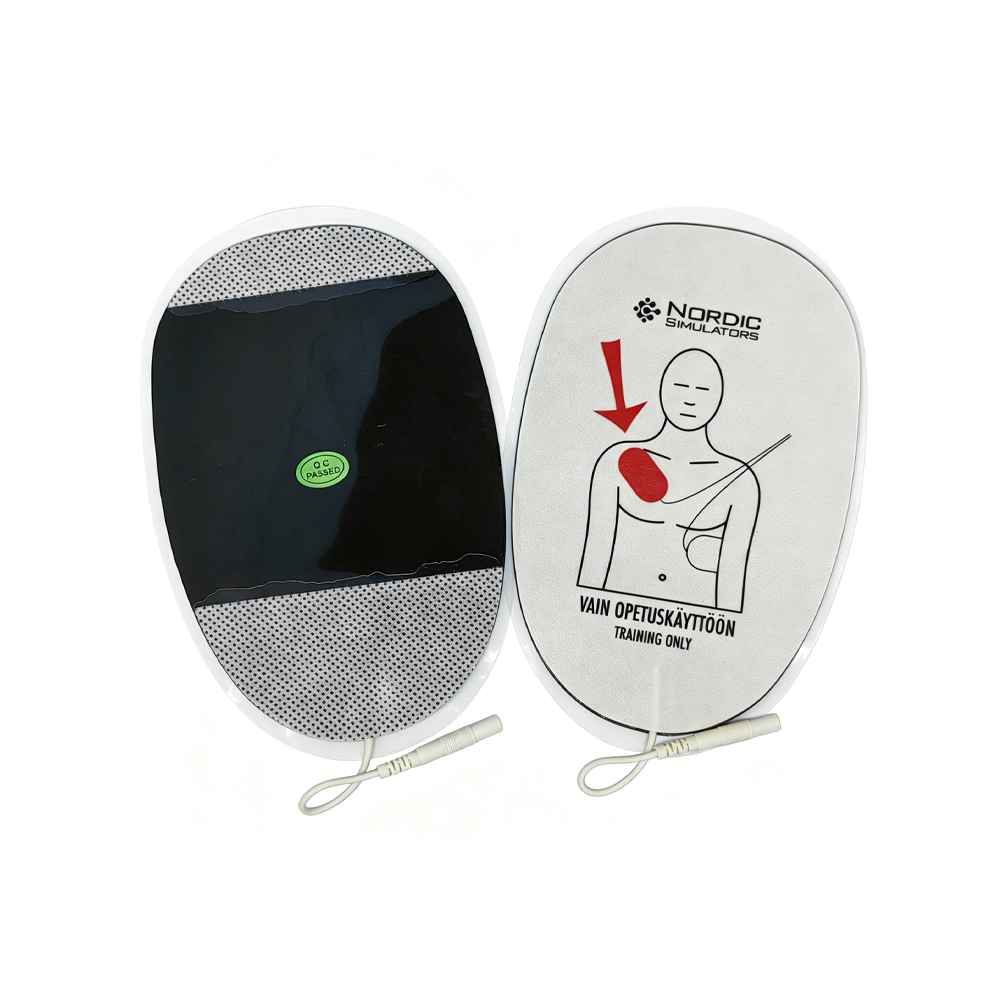
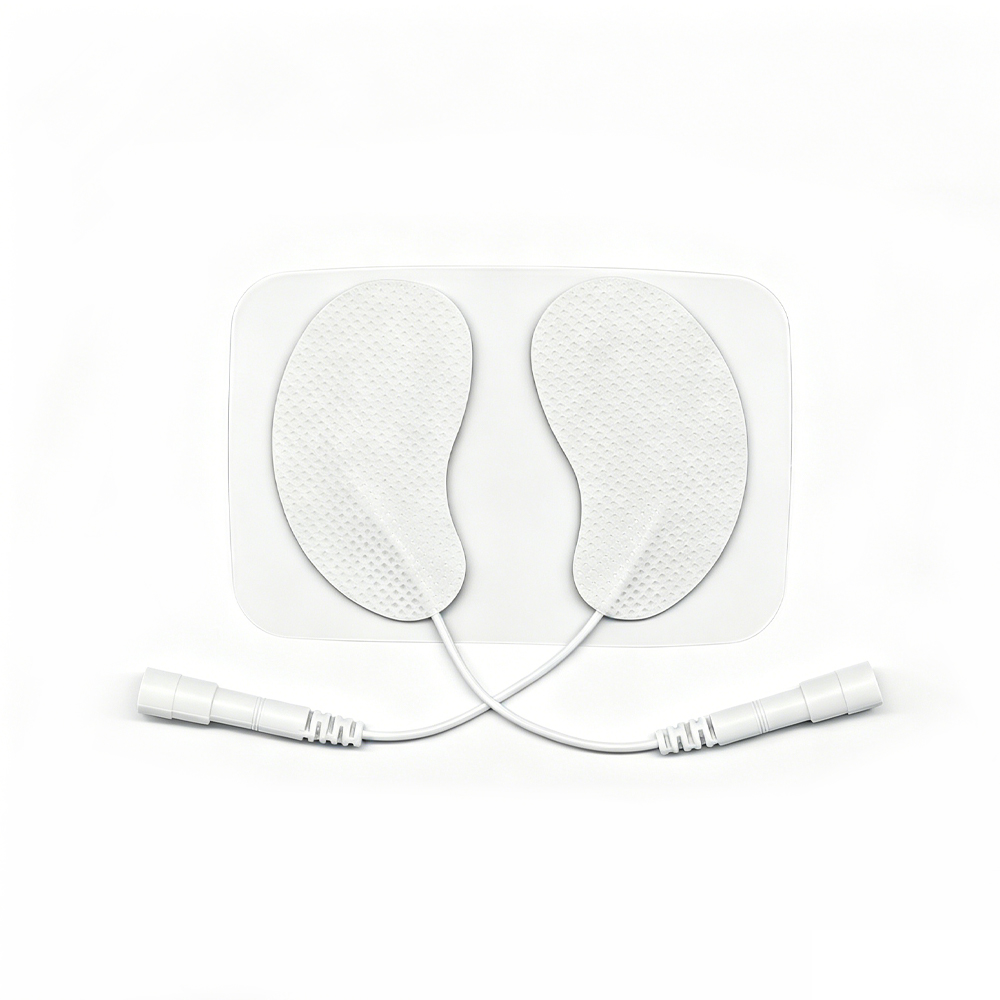
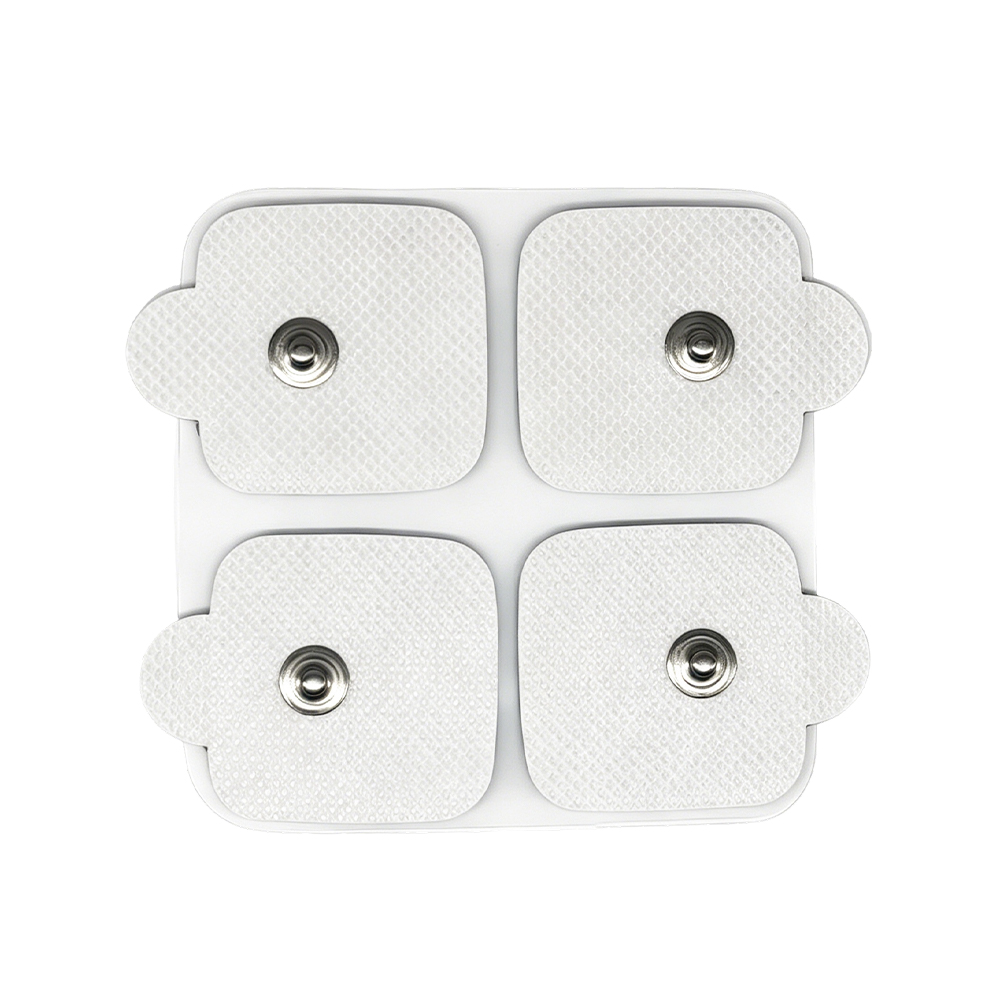
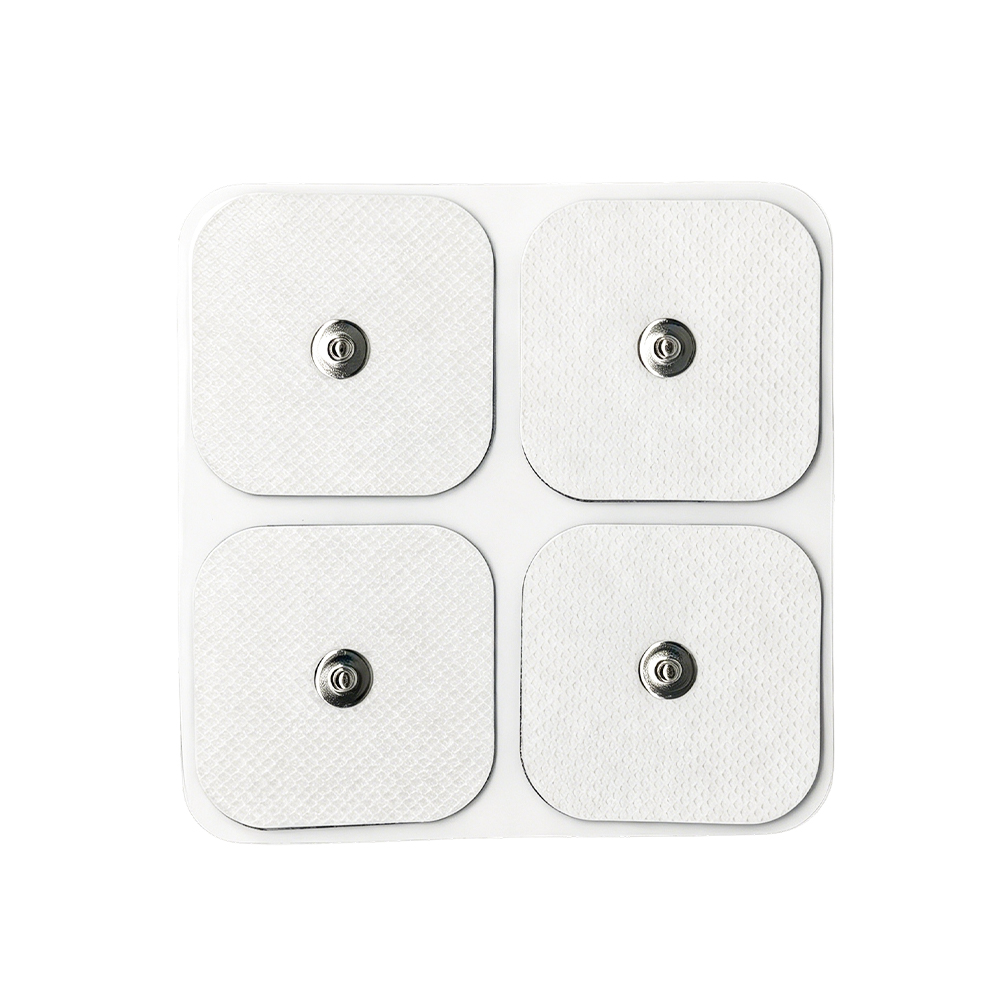
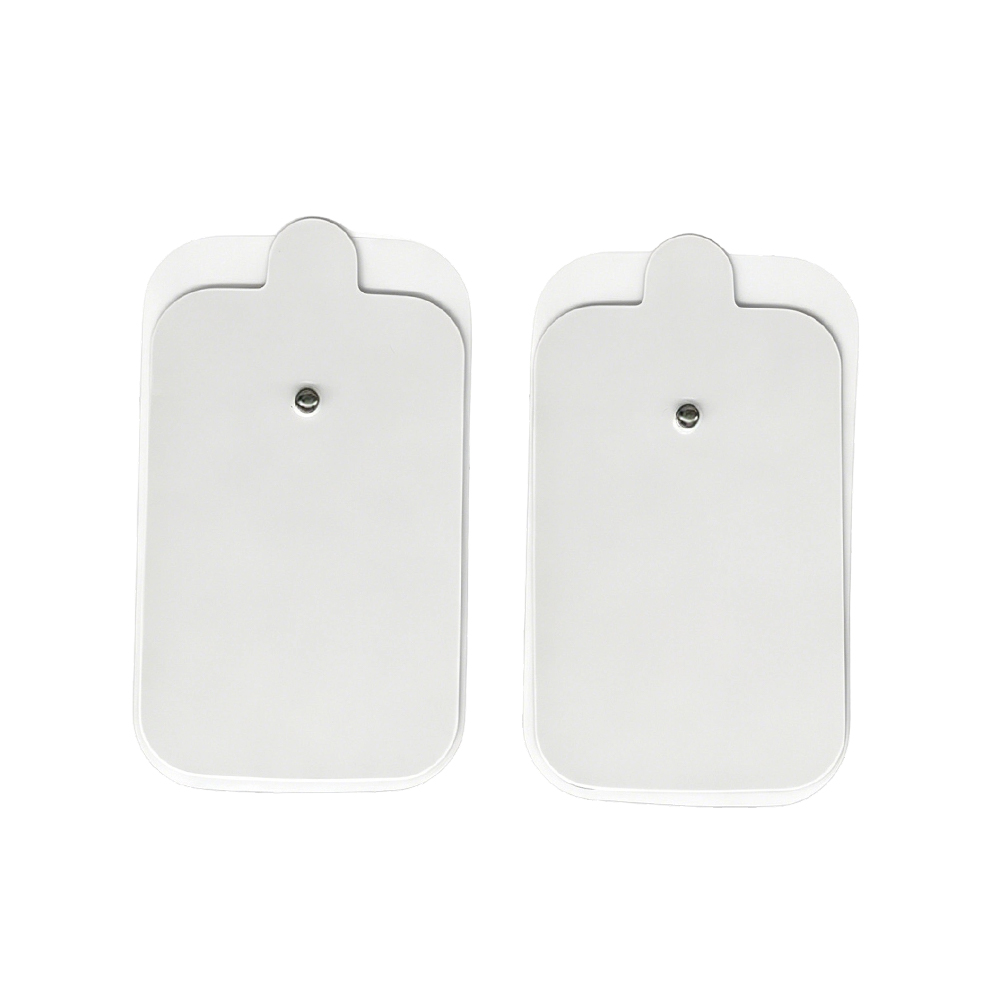
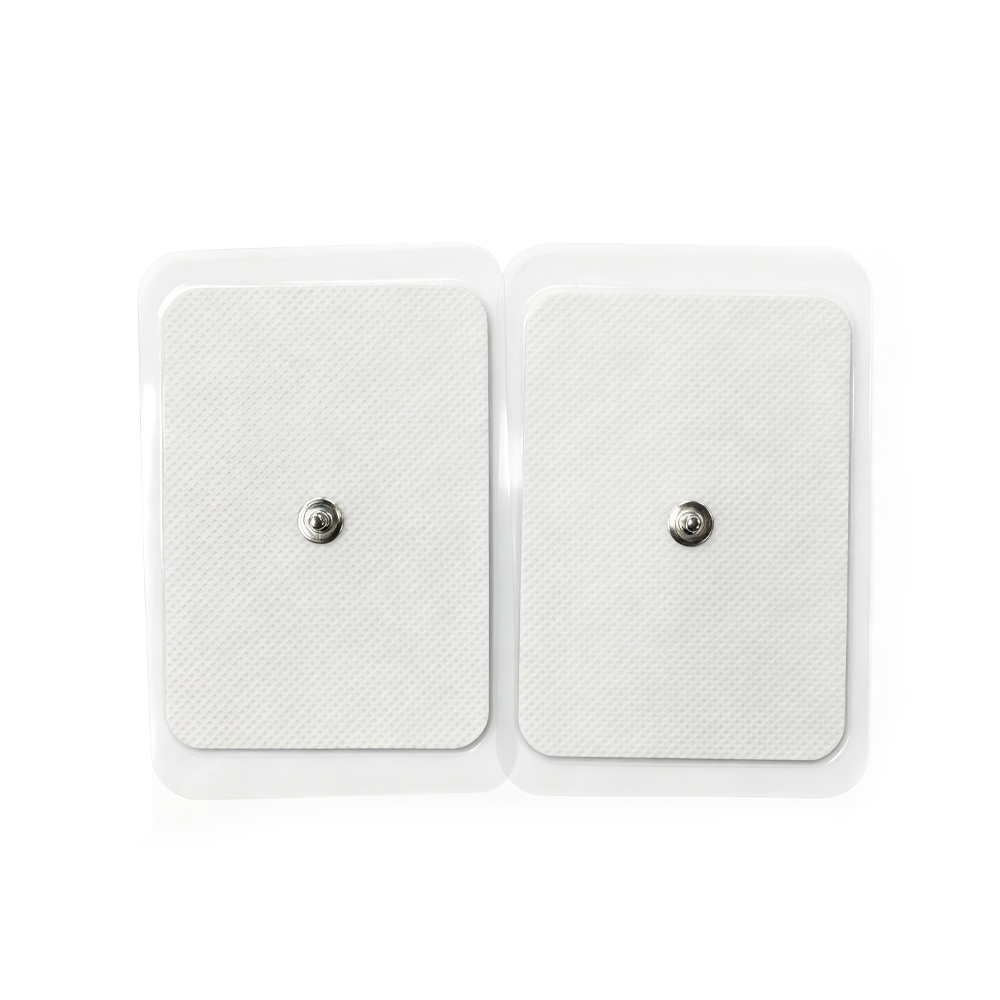
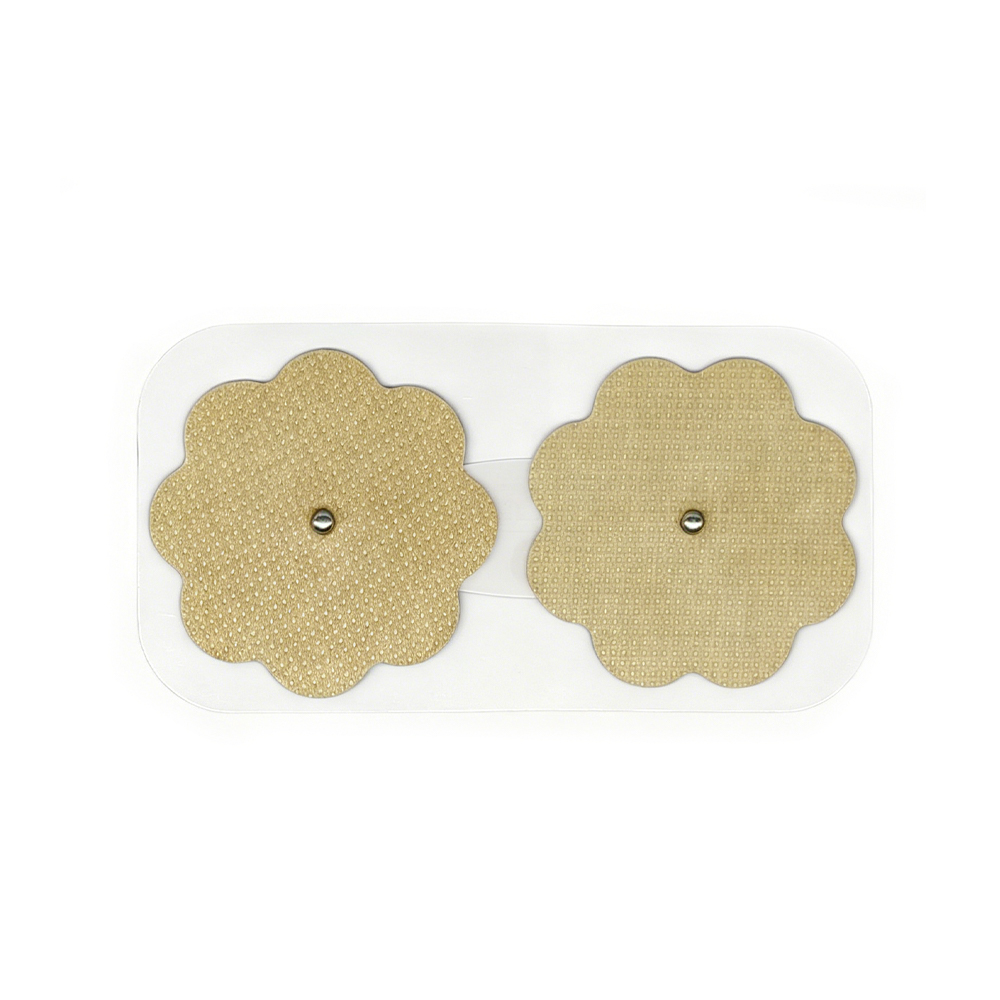
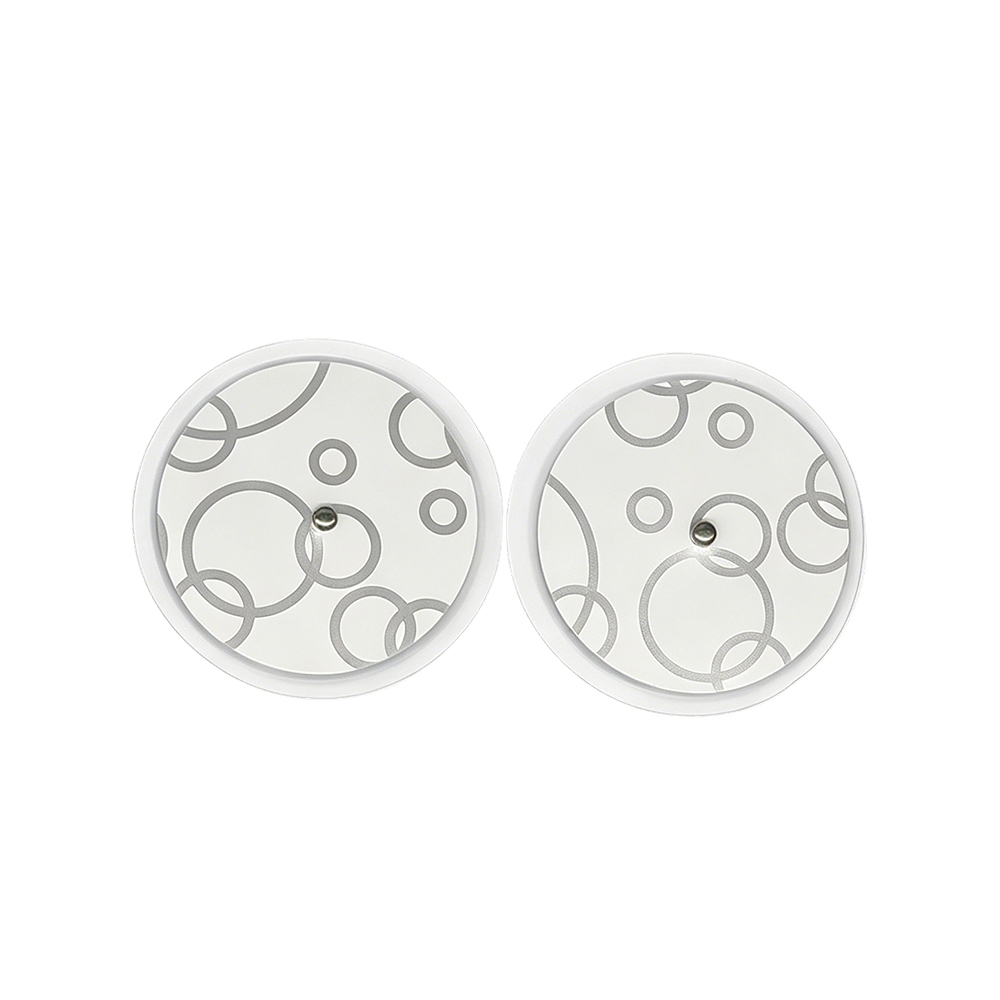
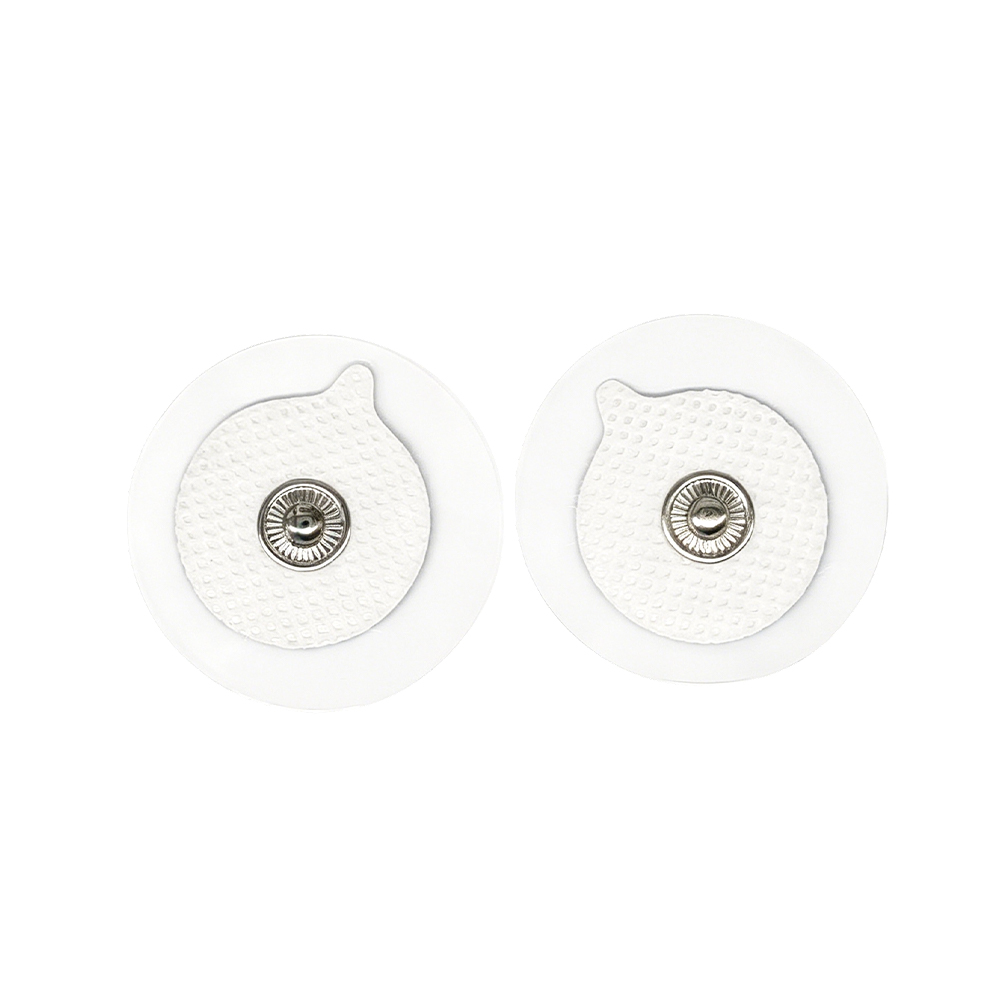
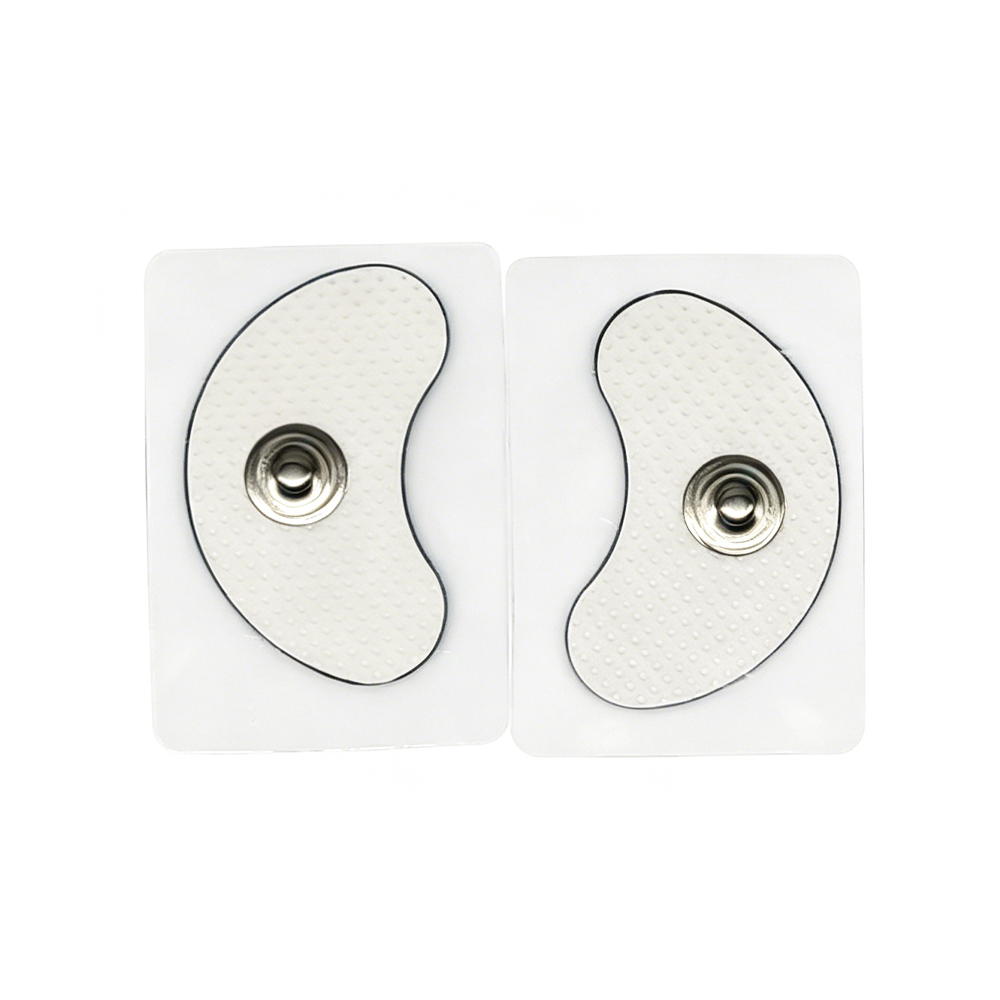
TENS electrodes are active conductors that transmit electrical impulses into tissues, delivering current to the human body for the purpose of pain relief or muscle strengthening.
Most TENS electrodes are designed for multiple uses (typically reusable 15–30 times if properly maintained) and feature a multi-layered structure consisting of a backing material, a conductive layer, a conductive adhesive, and a release layer.
Our Advantages
-
 1. Rich experienceWe are the professional manufacturer of medical equipment with more than 20 years experience, major in TENS Electrode Pad and other products.
-
 2. Ample production capacityCurrently, we have 3 factories, capable of meeting both large and small customer orders.
-
 3. Diverse product rangeWe have more than 200 kinds of SKU medical equipments.
-
 4. Global market reachWe have exported our TENS Electrode Pad products to over 60 countries worldwide, including key markets in Europe, Southeast Asia, Africa and Oceania.
-
 5. High-quality client resourcesOur markets include more than 100 hospitals, first-aid suppliers, supermarkets and retail sports shops. We have cooperated with well-known domestic and international businesses for many years.
-
 6. Strong customization capabilityMore than 10 professional technicians, provide perfect ODM services.
-
 7.Complete team supportProfessional R&D team, quality inspection team, sales team, and comprehensive after-sales service.
-
 8. Flexible order termsLower MOQ, flexible ODM&OEM process.
-
 9. Efficient customer serviceRapidly response rate and can quickly and promptly resolve customer issues.
-
 10. Integrated supply chainComplete Supply Chain: From materials to finished TENS Electrode Pad products, everything is handled in our factory, not only ensuring quality, but more importantly, the new designs will not be leaked.
-
 11. On-time deliveryDelivery is punctual, and we can deliver on time even during peak seasons.
Company
Suzhou Advan Medical Technology Co., Ltd.
ADVAN Medical (Suzhou Advan Medical Technology CO., LTD) is leading China TENS Electrode Pad manufacturers and OEM/ODM TENS Electrode Pad factory, the pioneering enterprise of ADVAN Group, has been a global leader in Medical industry, specializing in high-quality medical equipment and consumables since its establishment in 2003.
With 20+ years of experience in medical manufacturer and exporter, we specialize in first-aid, wound dressing, sport bandages, family healthcare and medical supply(such as gauze, bandages, cotton, medical tape and non-woven products). We have exported our products to 60+ countries worldwide, including Southeast Asia, Africa, Middle-east, Eastern Europe, Russia, South America and Oceania. Our customers include hospitals, first-aid suppliers, medical distributors and retailer shops.
In 2010, we established our first-aid factory to meet the demands of our customers. In 2018, to accommodate our growing requirements, we established our factory of kinesiology tape, cohesive bandages and elastic adhesive bandages. ADVAN Medical boasts a professional quality control team comprising hundreds of personnel who rigorously adhere to inspection procedures to ensure our products meet ISO13485:2016 standards. Most of our products are CE certified, and our Suzhou factories comply with FDA requirements.
With 20+ years of professional knowledge, skills, and dedicated team, we are committed to ensuring easy and fruitful cooperation and communication. We strive to satisfy your product needs and establish long-term cooperative relationships.
News
-
Negative pressure wound therapy (NPWT) rests on a simple principle: hold a controlled vacuum against a wound bed and let a porous interface material translate that vacuum into mechanical and biological effects. The vacuum source is largely standardized; the interface is not. Foam sponges and gauze kits both transmit p...
READ MORE -
Medical adhesive-related skin injury, usually shortened to MARSI, is one of the most preventable complications in modern patient care, yet it still appears in ward audits, neonatal units and home-care visits every week. The damage is rarely caused by one dramatic event: it develops when an adhesive is chosen for conve...
READ MORE -
An open chest wound that stays open lets air move in and out of the pleural space with every breath. A wound sealed too completely can trap that same air and push the patient toward a tension pneumothorax. Chest seal patches sit exactly on that line. For decades the field answer was petroleum gauze taped on three side...
READ MORE
TENS Electrode Pad Industry knowledge
Suzhou Advan Medical Technology Co., Ltd. manufactures reusable TENS/EMS electrode pads for pain-relief, muscle-stimulation and rehabilitation devices. Our range covers square, rectangular, round, oval, strip, butterfly, gourd, hand, throat, breast-care and parturition shapes, supplied as standard items or built to OEM/ODM drawings with the connector, gel, backing and release liner specified for each device platform.
As a TENS Electrode Pad manufacturer, we control the conductive adhesive, conductive layer, backing and release liner as one laminated construction. This lets us match pad-to-device impedance, adhesion and reusability targets instead of supplying a generic pad that only fits dimensionally.
What Our TENS Electrode Pad Range Covers
As a TENS Electrode Pad Manufacturers , we match product configuration to the application, operating limits, interfaces and acceptance criteria defined for each project.
TENS pads are active conductors: they carry the device's electrical impulse into tissue for pain relief or muscle strengthening. Most of our pads are designed for multiple uses, typically 15–30 applications when the gel surface is kept clean and returned to its release liner after each session. The construction is a backing material, a conductive layer, a conductive adhesive and a release layer, laminated and die-cut to the final outline.
We supply both reusable and single-use formats, with pin, snap and pigtail connector options. Standard shapes are held as tooling; custom outlines, sizes, colors, printed logos and retail packaging are developed through our OEM/ODM process.
Product Range and Application Fit
| Pad Type | Typical Size | Application Fit | Connector Options |
|---|---|---|---|
| Square TENS/EMS pad | 32 × 32 mm, 50 × 50 mm | General pain relief, small muscle groups, home units | 2.0 mm pin, snap |
| Rectangular TENS/EMS pad | 40 × 80 mm, 50 × 70 mm, 60 × 90 mm | Lower back, shoulder, thigh and larger muscle areas | 2.0 mm pin, snap, pull-tab |
| Round and oval pad | 30 mm round, 45 × 30 mm oval | Joint contours, facial and trigger-point placement | 2.0 mm pin, button |
| Strip and crescent pad | 20 × 60 mm and shaped outlines | Narrow treatment zones, neck and limb wrapping | 2.0 mm pin, pigtail |
| Therapy-specific pad | 72 × 156 mm breast care, 50 × 90 mm throat, 175 × 90 mm parturition | Breast care, swallowing therapy, obstetric rehabilitation | Snap, pin, custom lead |
Material Construction and Critical Specifications
The conductive adhesive is the functional heart of a TENS pad. Its formulation determines current distribution, skin adhesion, residue on removal and how many sessions the pad survives. We build the gel layer to the device's output characteristics and the intended wear time, then verify the finished pad against the agreed specification.
- Backing: flexible film or non-woven carrier selected for conformability and connector retention.
- Conductive layer: carbon-loaded layer that spreads current evenly across the pad area.
- Conductive adhesive: hydrogel with controlled tack, pH and conductivity for stable output.
- Release liner: PET or paper liner that protects the gel and allows clean re-application.
- Connector: 2.0 mm pin, snap, button or pigtail, positioned to match the lead wire.
- Reusability: typically 15–30 uses when the pad is resealed on its liner after each session.
OEM/ODM Configuration Options
We treat each TENS pad as a configured assembly rather than a catalogue number. Shape, size, connector, gel grade, backing, color, printed logo and packaging are all variables we can set during development. Our in-house supply chain covers materials through finished product, which keeps the design and the gel formulation inside our factory.
Shape and Size
Standard square, round, oval, strip and rectangular tooling, plus custom outlines from a drawing or sample.
Connector Interface
Pin, snap, button and pigtail leads matched to the device socket and lead wire length.
Gel and Backing
Conductive adhesive grade and carrier film selected for adhesion, comfort and reusability target.
Branding and Pack
Printed logo, color matching, poly bag, blister or retail carton with instructions and warnings.
Quality Control and Acceptance
Our Suzhou factories operate to ISO 13485:2016 and comply with FDA requirements, with most products CE certified. The quality team follows documented inspection procedures from incoming raw material through coating, laminating, die-cutting and packaging. For TENS pads, the checks that matter are gel coat weight, adhesive tack, conductivity consistency, liner release, connector pull strength and dimensional accuracy.
- Incoming inspection of backing, conductive layer, gel and liner.
- In-process checks on coating weight and lamination alignment.
- Finished-pad testing for conductivity, adhesion and connector retention.
- Sample retention and traceability records for each production lot.
Acceptance criteria are agreed before production. Where a project requires stability or microbiological testing, we include it in the inspection plan and supply the corresponding records with the shipment.
Installation, Use and Maintenance Guidance
TENS pads are applied to clean, dry, intact skin. The pad should be pressed flat so the gel makes full contact, and the lead wire should be routed without pulling on the connector. After each session, the pad is returned to its release liner and stored in a cool, dry place away from direct sunlight.
- Do not apply over broken skin, wounds or areas with reduced sensation.
- Keep pads away from water, oils and topical creams that degrade the gel.
- Replace the pad when adhesion drops or current becomes uneven.
- Follow the device manufacturer's instructions and contraindications.
Project Support and Related Materials
Our engineering and sales teams work from the device platform, not from a generic pad list. We can review a sample pad, a drawing or a device socket and propose the closest standard tooling or a new development. Where a project needs a specific gel performance, we adjust the formulation and confirm it with a sample before mass production.
Because we control the upstream materials, we can also supply the raw components used in electrode pad construction. Our Jumbo Raw Material Roll range covers the coated and laminated formats used in converting, and our Medical Adhesive line supports projects that need a defined conductive or skin-contact adhesive. For diagnostic and monitoring applications, our ECG Electrode Pad range uses the same lamination and converting discipline.
Information We Use to Configure Your Solution
A precise proposal depends on the device and the use case. We ask for the following inputs so the pad, gel and packaging are specified correctly the first time.
| Input | Why It Matters |
|---|---|
| Device type and output | Sets the gel conductivity and pad area needed for stable current. |
| Pad shape, size and connector | Determines tooling, lead interface and fit on the treatment area. |
| Reusability target | Guides gel tack, thickness and liner selection. |
| Packaging and branding | Defines bag, blister or carton format and printed information. |
| Target market and compliance | Confirms which documentation and testing the project requires. |
| Order quantity and schedule | Sets the production route, MOQ and delivery plan. |
Frequently Asked Questions
What shapes and sizes can you supply?
We hold tooling for square, rectangular, round, oval, strip, butterfly, gourd, hand, throat, breast-care and parturition pads, with common sizes such as 32 × 32 mm, 50 × 50 mm, 40 × 80 mm, 50 × 70 mm, 60 × 90 mm, 30 mm round and 45 × 30 mm oval. Custom outlines are developed from a drawing or physical sample.
How many times can a reusable TENS pad be used?
Most reusable pads are designed for approximately 15–30 applications when the gel surface is kept clean and the pad is returned to its release liner after each session. Actual life depends on skin condition, storage and the device output.
Can you match our device connector?
Yes. We produce 2.0 mm pin, snap, button and pigtail connectors, and we position the connector to suit the lead wire and socket. A sample lead or a dimensioned drawing is the fastest way to confirm the interface.
Do you offer OEM/ODM and private-label packaging?
We provide OEM and ODM services covering shape, color, logo, gel specification, size and packaging. Poly bag, blister and retail carton formats are available with printed instructions and warnings for the target market.
What quality documentation accompanies a TENS pad order?
Production follows ISO 13485:2016 procedures, and most products are CE certified with Suzhou factory compliance to FDA requirements. Inspection records, sample retention and traceability data are maintained for each lot, and stability or microbiological testing is included when the project requires it.
What is the typical lead time and MOQ?
MOQ for medical consumables starts at 1,000–10,000 units per specification, with higher thresholds for Pantone color matching and custom printed packaging. Lead time depends on whether the project uses existing tooling or requires new development; we confirm the schedule with the quotation.
Leading wholesale TENS Electrode Pad manufacturers, including a full range of Wound Dressing, Hydrocolloid Medical Products.


Copyright © 2026 by Suzhou Advan Medical Technology Co., Ltd. All Rights Reserved. This website is intended for regions outside China. Approval No:20240008
