English
 Français
News
Home / News / Industry News / What Is a Foam Dressing Used For? Learn Benefits, Types, and Application Tips

Your trusted medical supplies manufacturer.
No. 10 Ousheng Avenue, Pingwang Town, Wujiang District, Suzhou City, Jiangsu Province, China
+86 133 5801 3454
jasonzhangcas@gmail.com
Content
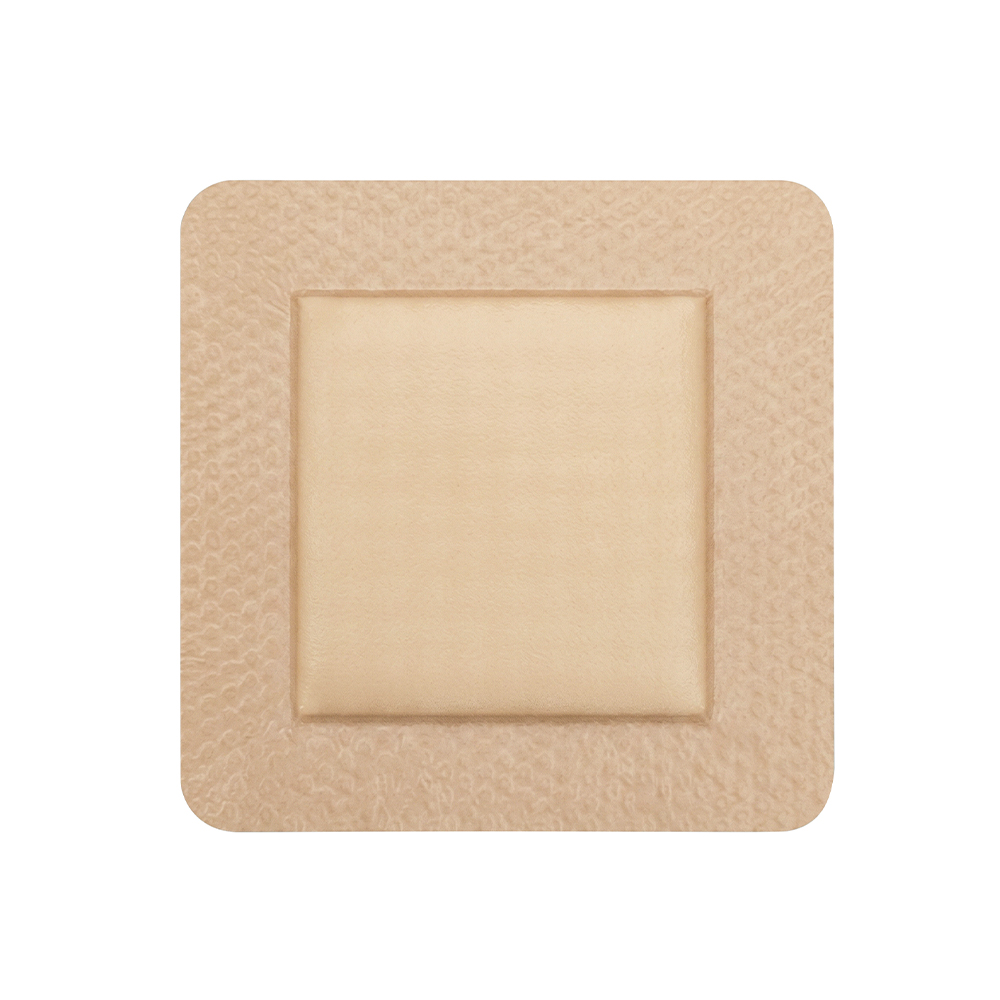
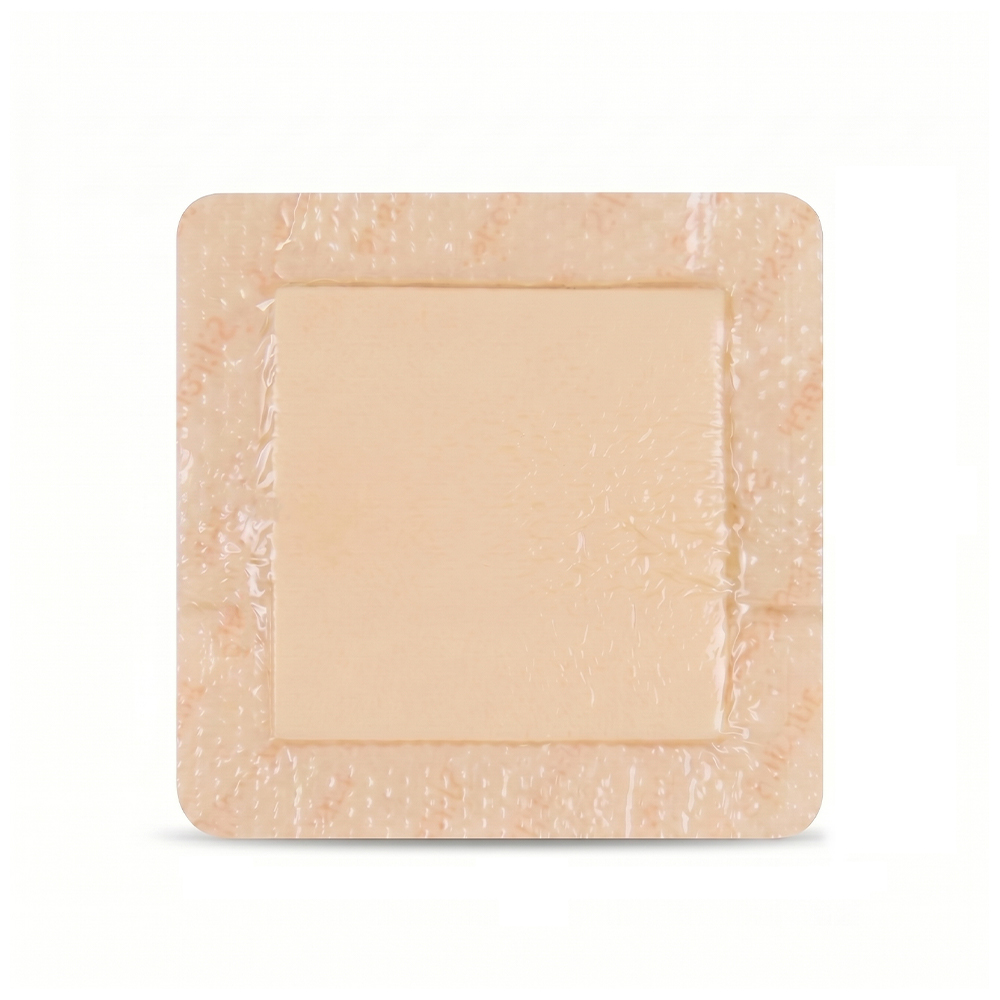
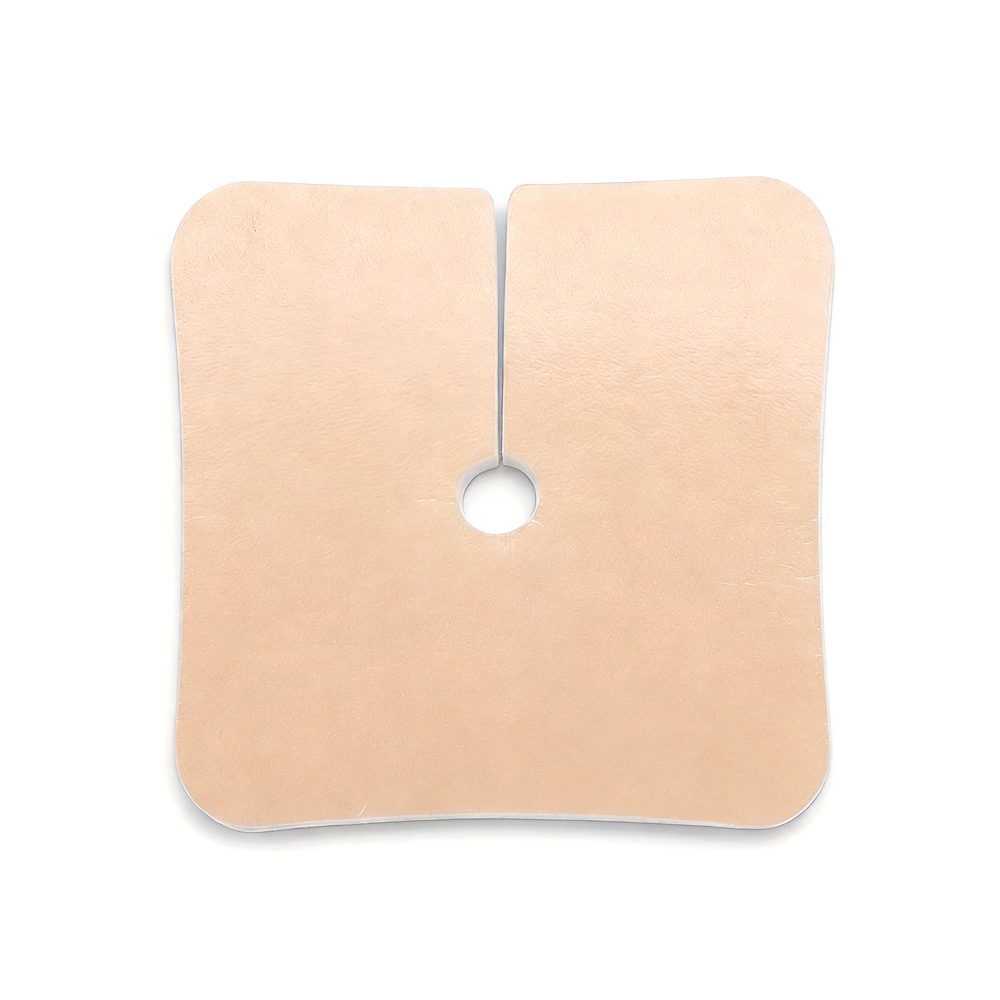
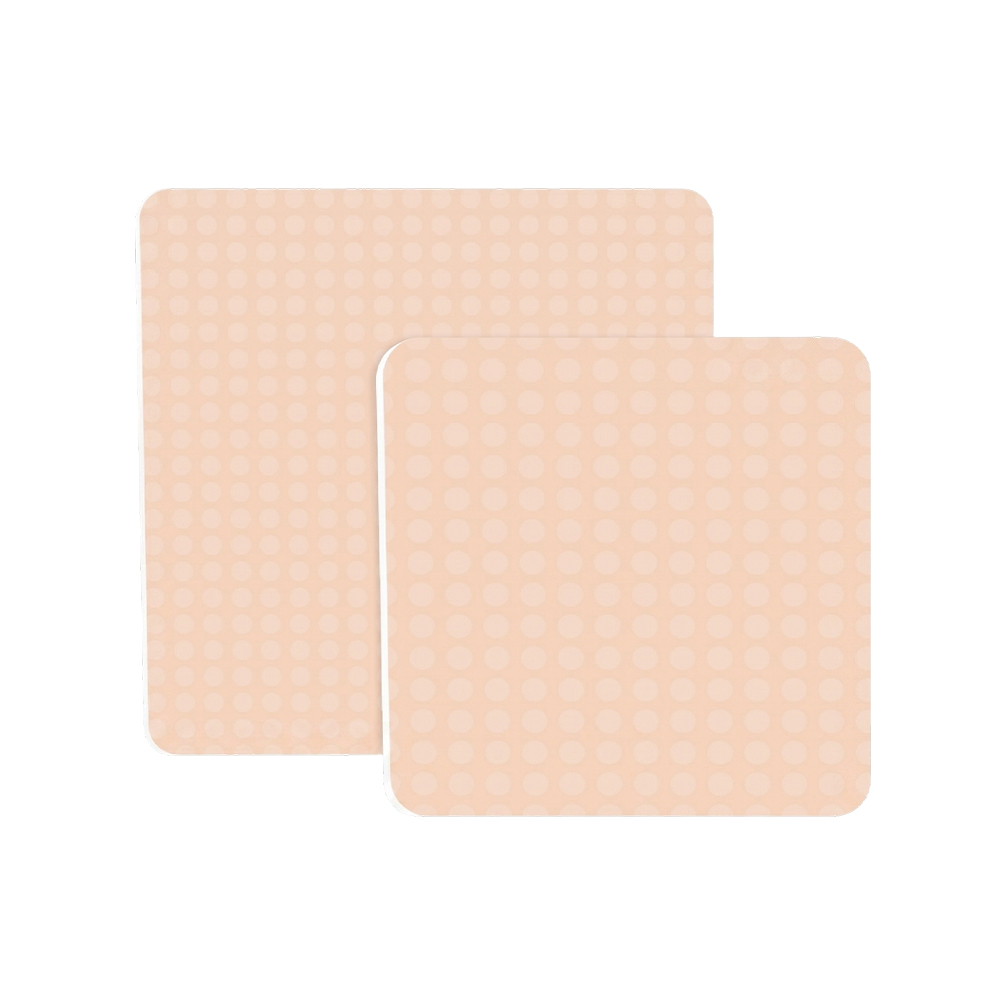
A foam dressing is a soft, cushioning wound cover made from medical-grade polyurethane foam. It is designed to absorb exudate, keep the wound bed moist, and protect the healing area from friction and contamination. Because of its versatility, healthcare professionals rely on foam dressings for a wide range of acute and chronic wounds that produce light to heavy drainage.
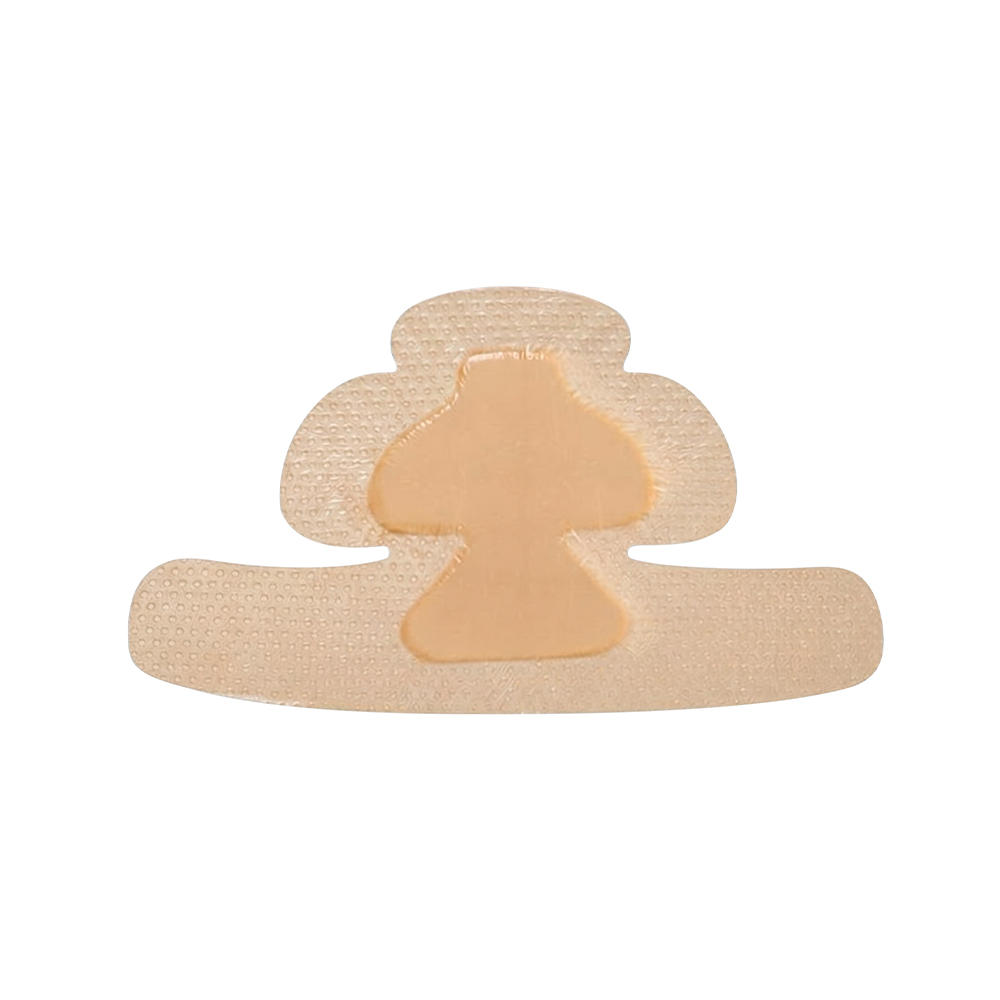
The dressing is available in many sizes and shapes, including pads with adhesive borders, non-adhesive pads, and specially contoured versions for heels, elbows, and the sacral area. Understanding what a foam dressing is used for helps caregivers choose the right product for each patient and avoid common dressing mistakes.
Primary Function
Exudate managementHealing Support
Moisture balanceTypical Wounds
Ulcers, burns, surgeryFoam dressings are sometimes described as intelligent dressings because they create a balanced microclimate at the wound surface. The structure of the material is the key to this performance. The foam layer consists of open or closed cells that wick fluid away from the wound bed while holding enough moisture to keep the tissue from drying out.
The combination of absorption and retention means that a foam dressing does not dry out the wound, nor does it allow fluid to pool on the surrounding skin. This balance is important because both excessive dryness and prolonged wetness can slow down cell migration and delay the formation of new tissue.
Foam dressings suit wounds that produce exudate, and clinicians use them on both superficial and deeper injuries. They can work as a primary dressing in direct contact with the wound or as a secondary dressing to hold a wound gel, ointment, or medicated pad in place. Foam dressings are also frequently combined with topical agents, such as an antimicrobial foam containing silver to help control bacterial load in a wound that is not healing as expected.
| Wound Type | Exudate Level | Why Foam Is Used |
|---|---|---|
| Pressure injuries | Moderate to heavy | Cushions vulnerable areas and absorbs moisture |
| Venous leg ulcers | Moderate to heavy | Manages drainage under compression bandages |
| Diabetic foot ulcers | Moderate | Protects fragile tissue and reduces pressure points |
| Surgical wounds | Light to moderate | Protects the incision and absorbs initial exudate |
| Skin graft donor sites | Heavy | Absorbs large fluid volumes and removes without sticking |
| Partial-thickness burns | Moderate to heavy | Provides moisture balance and thermal insulation |
Foam dressings are not limited to these examples. They are commonly used for abrasions, blisters, post-operative incisions, skin tears, and chronic wounds in home care as well as hospital settings. The key is to match the absorbency of the dressing to the amount of fluid the wound produces.
That said, not every wound with exudate is an automatic candidate for a foam dressing. The amount of fluid, the presence of infection, and the shape of the wound should all be considered during assessment. A wound care specialist can help determine whether a flat foam dressing, a foam cavity dressing, or an alternative product is the best match.
Choosing a dressing depends on the moisture level of the wound, its depth, its location, and the condition of the surrounding skin. A foam dressing is often the preferred option when one or more of the following apply:
Foam dressings are among the most adaptable wound dressings because they work with, rather than against, the natural healing process. They do not aggressively dry the wound, and they do not add unnecessary moisture.
As versatile as foam dressings are, they are not the right choice for every wound. In some situations, another dressing type will produce a better outcome.
No single dressing is appropriate for every patient, and a product that works well on one wound may be the wrong choice for another. Assessment should be repeated regularly because the moisture level of a wound can change as it heals.
Correct application makes a critical difference in how well a foam dressing performs. Follow these general steps, but always defer to the manufacturer's instructions and the care plan provided by a healthcare professional.
Record the date, time, wound appearance, and any change in exudate color or odor at each dressing change. These observations help the care team recognize early signs of infection or deterioration and adjust the treatment plan accordingly.
A foam dressing should be changed when the exudate reaches the edge of the padded area or according to the manufacturer's schedule, which is usually every 2 to 7 days. Heavily exuding wounds may require more frequent changes during the early stages of treatment.
A standard foam dressing does not treat infection. If a wound is infected, a clinician should evaluate it and may recommend an antimicrobial foam dressing that contains silver or another active agent.
Many foam dressings have a waterproof or water-resistant backing that protects the wound from external moisture and allows the patient to shower. Check the product label for the specific backing properties.
Yes, foam dressings are frequently used under compression bandages for venous leg ulcers. The dressing manages exudate while the compression system addresses the underlying venous insufficiency.
A foam dressing absorbs larger volumes of exudate and is a better choice for moderate-to-heavy drainage. A hydrocolloid dressing forms a gel when it contacts wound fluid and is better suited for wounds with light exudate.
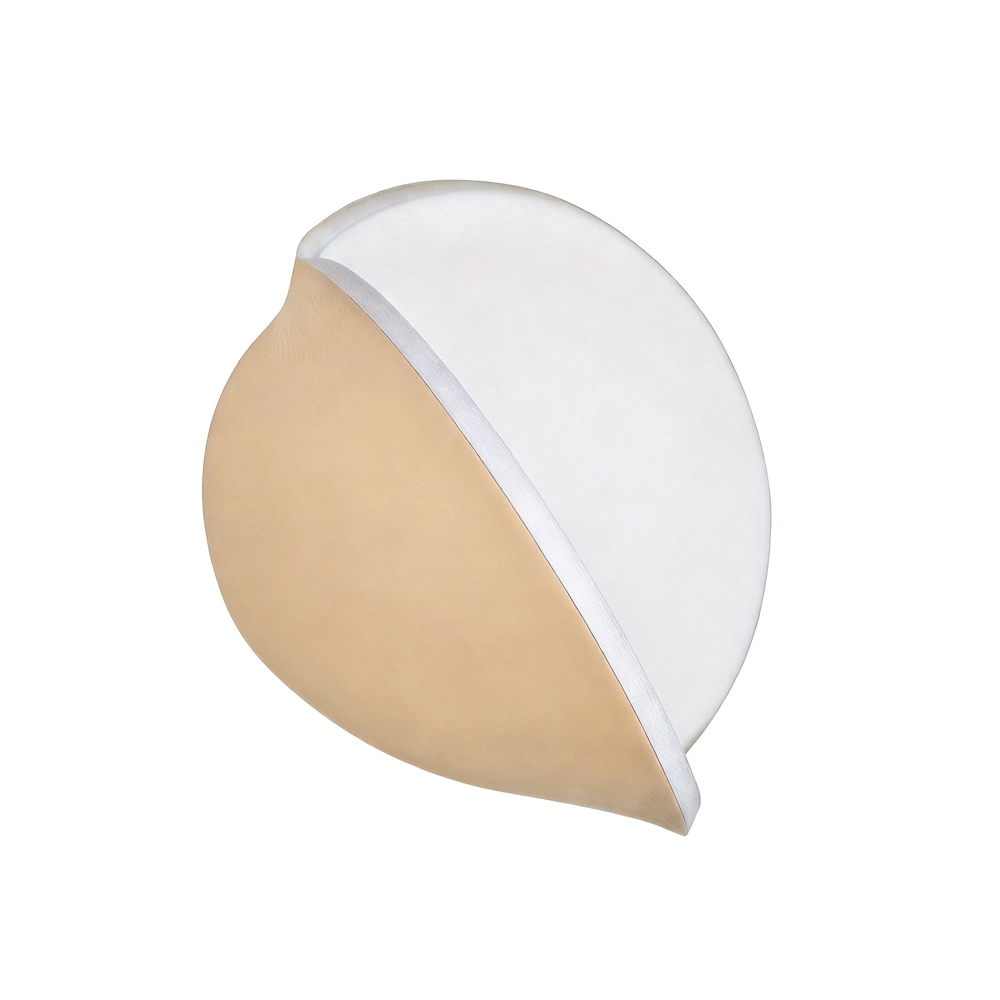
Many foam dressings use a silicone adhesive layer that grips gently and can be removed without stripping the skin. Silicone foam dressings are therefore a common choice for elderly patients and those with very fragile periwound skin.
Foam dressings are a foundational part of modern wound care. They manage exudate, protect the wound from external stress, and create the kind of stable, moist environment where healing can proceed without unnecessary interruption.
When selecting a foam dressing, always match the product to the exudate level, wound size, periwound skin condition, and expected wear time. Used correctly, a foam dressing can significantly improve patient comfort and clinical outcomes. If you have any doubt about wound assessment or product selection, consult a qualified healthcare professional.
Leading custom medical supplies manufacturers, including a full range of Wound Dressing, Hydrocolloid Medical Products.


Copyright © 2026 by Suzhou Advan Medical Technology Co., Ltd. All Rights Reserved. This website is intended for regions outside China. Approval No:20240008

 Previous