English
 Français
News
Home / News / Industry News / How to Make Electrode Pads Last Longer: 12 Practical Tips for TENS Users

Your trusted medical supplies manufacturer.
No. 10 Ousheng Avenue, Pingwang Town, Wujiang District, Suzhou City, Jiangsu Province, China
+86 133 5801 3454
jasonzhangcas@gmail.com
Content
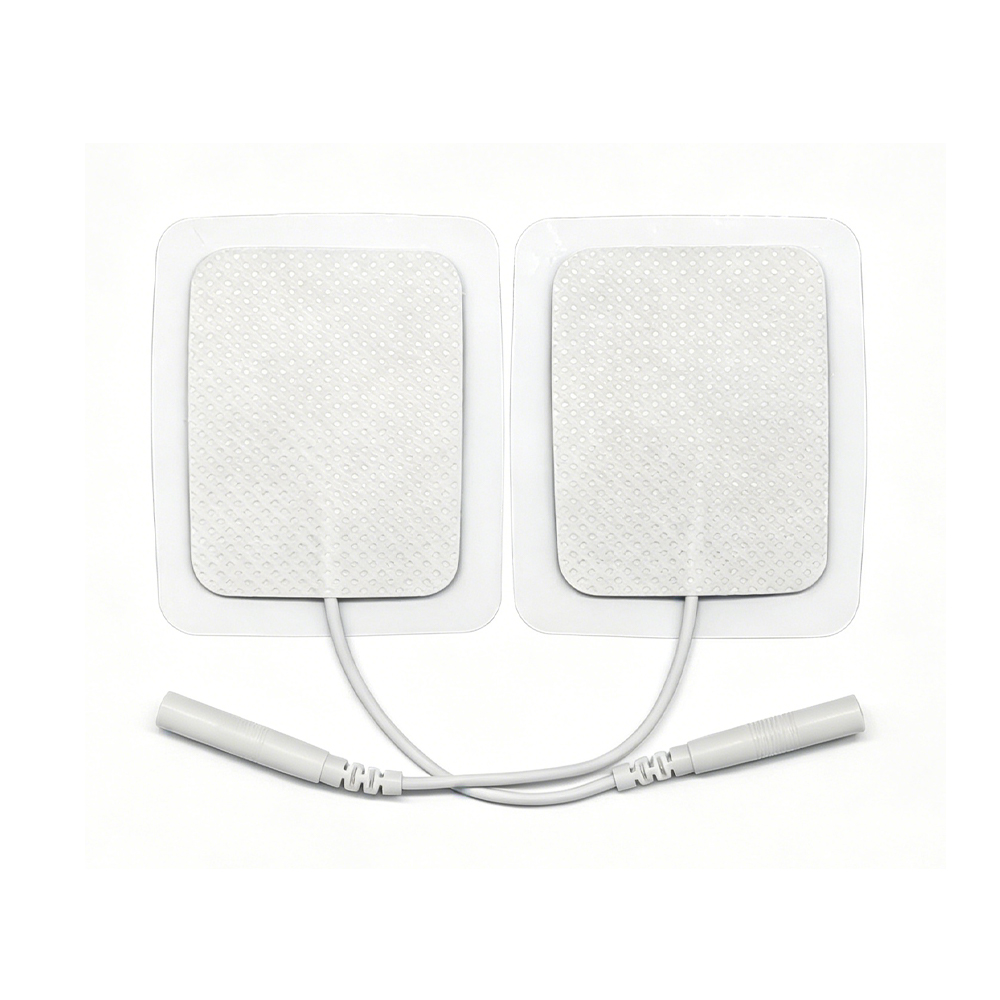
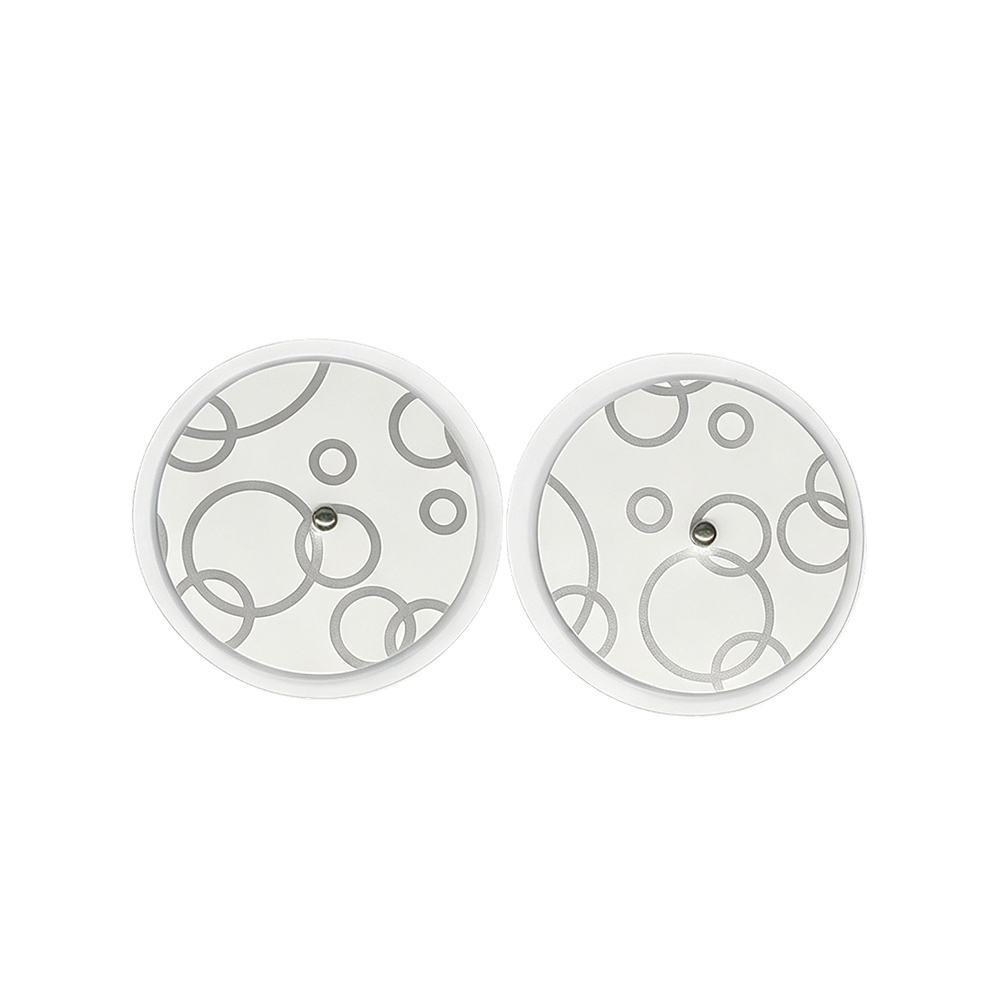
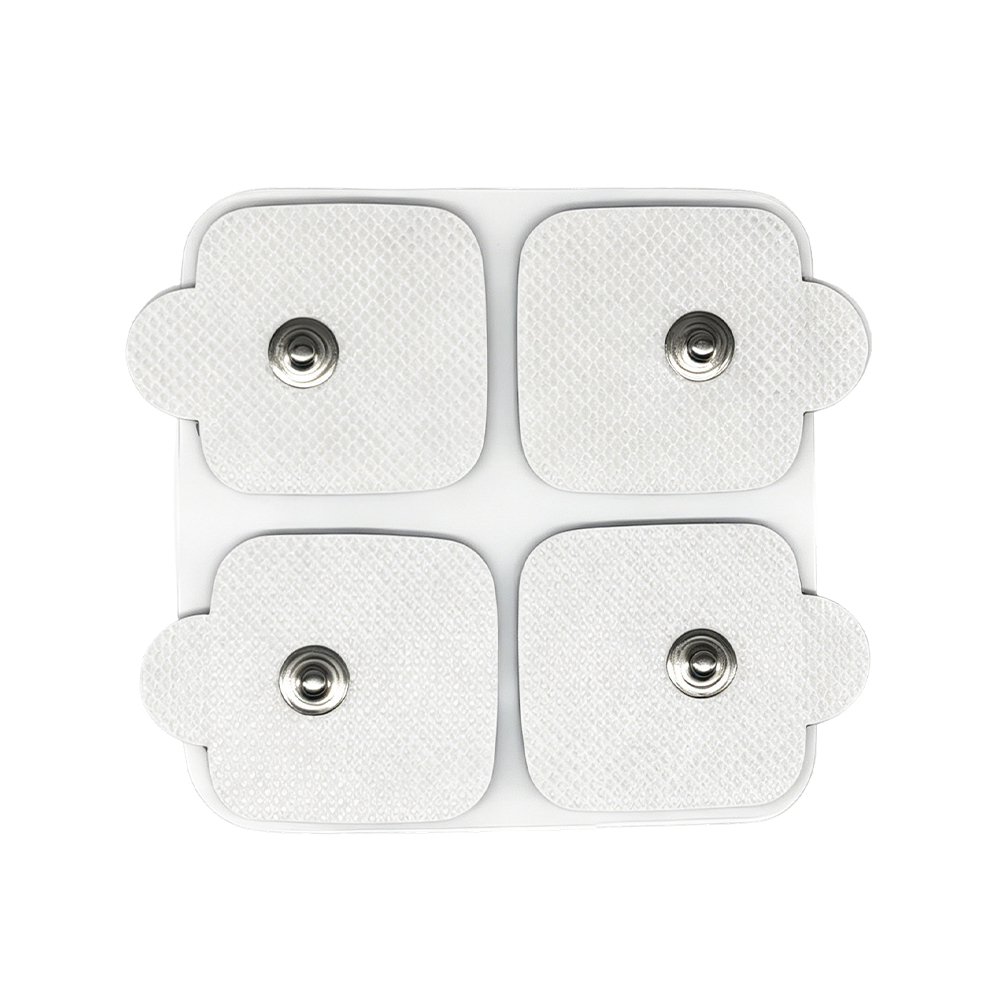
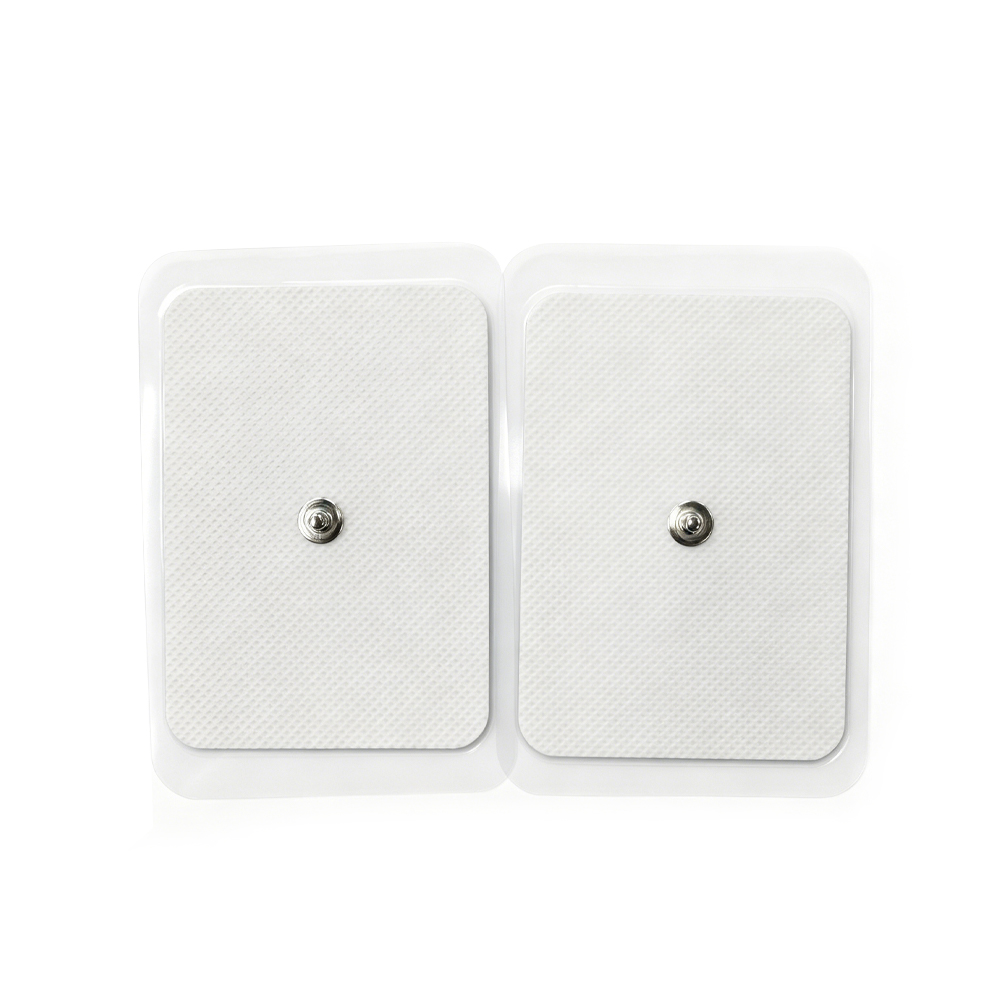
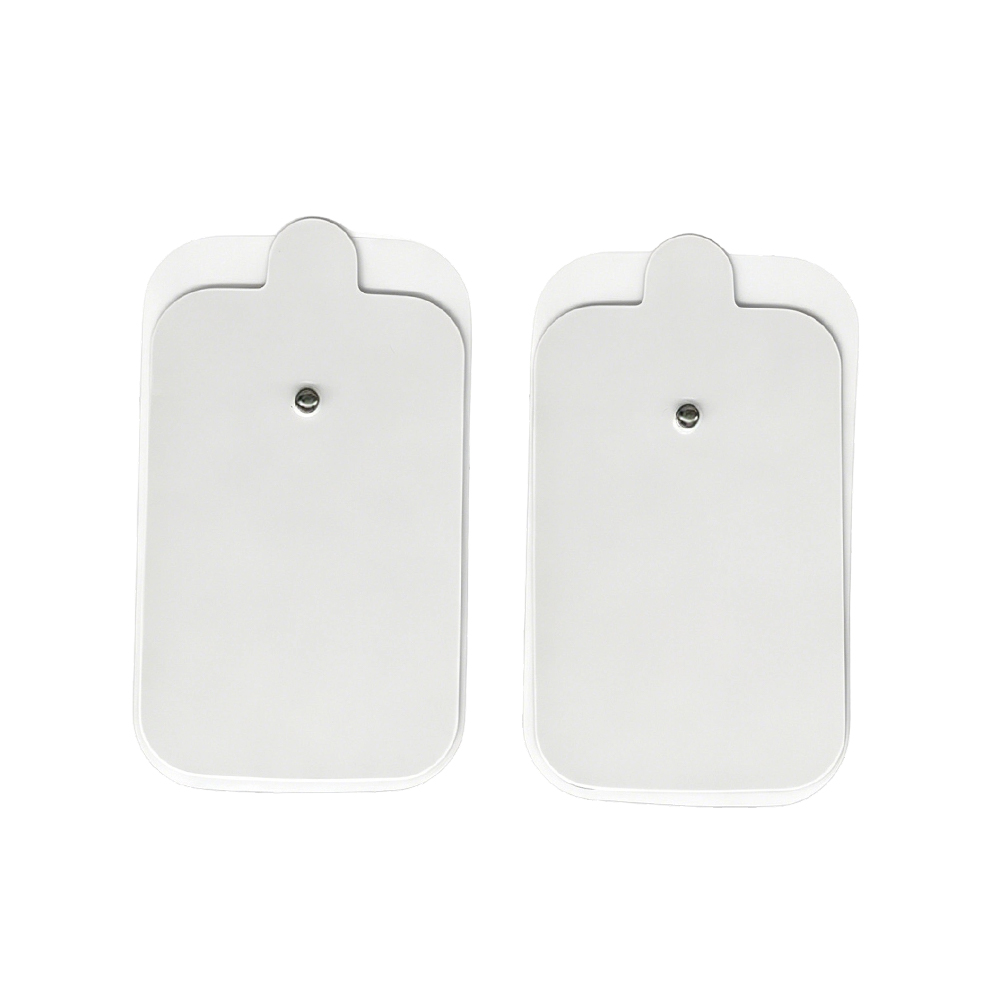
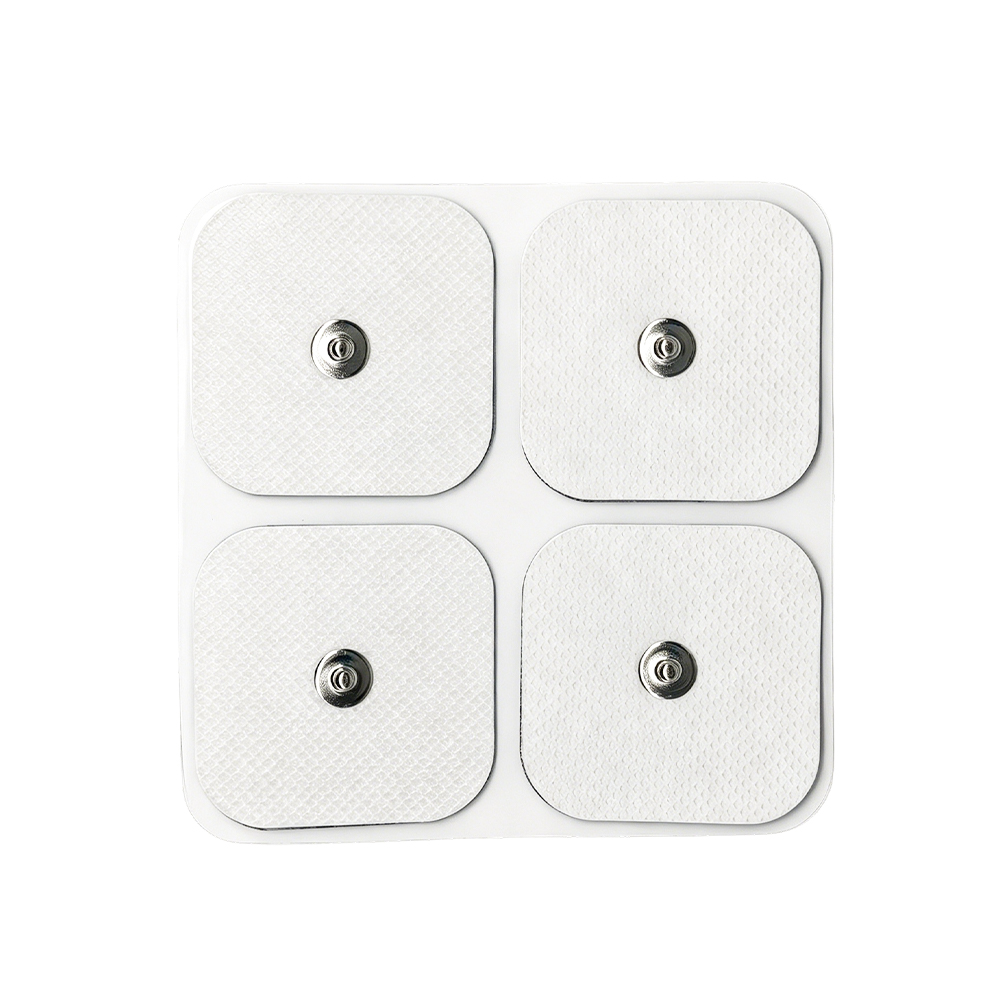
Self-adhesive electrode pads are the silent workhorses behind every TENS, EMS, and muscle-stimulation session. They deliver the low-voltage pulses that relieve pain, relax tight muscles, and speed up recovery, but only when the pad stays sticky and conducts evenly. With each use, the conductive hydrogel picks up skin oils, catches dust, and slowly loses moisture. Because electrode pads are a consumable, knowing how to make electrode pads last longer can save you a meaningful amount of money over a year of regular therapy. The habits below are simple to follow and can routinely double, sometimes triple, the number of sessions you get from each pad.
An electrode pad works because the hydrogel layer does two jobs at once: it sticks to the skin and spreads electrical current evenly across the treatment area. Anything that interferes with either job shortens the usable life of the pad. The main reasons pads fail early are:
Storage is the single biggest factor that separates a pad lasting ten sessions from a pad lasting thirty. Hydrogel dries out quickly when it is exposed to air, so the golden rule is simple: seal the pad the moment you remove it from your skin.
The table below summarizes what to do and what to avoid.
| Condition | Do | Don't |
|---|---|---|
| Temperature | Keep between 15°C and 25°C | Expose to heat or freezing |
| Moisture | Store in a sealed, dry bag | Leave near humid air |
| Packaging | Reapply liner and reseal | Leave gel open to air |
| Position | Keep flat or gently curved | Fold or crease the pad |
The condition of your skin determines how long the gel stays sticky. Clean, dry skin gives the adhesive a strong foundation, while oily or lotion-covered skin weakens adhesion and leaves residue that slowly destroys the gel.
Rough handling damages the gel margin even when the pad looks fine. Develop careful habits and the gel will reward you with more sessions.
If you use TENS or EMS daily, consider alternating between two sets of pads. A pad that is given a full day to recover between sessions stays tackier and conducts better than a pad used twice in the same day.
Even with good habits, gel picks up microscopic debris. Cleaning it properly restores both stickiness and conductivity.
Sometimes the most cost-effective move is to replace the pad. Using a worn-out pad is not just uncomfortable; it can deliver uneven or overly concentrated current that causes stinging, burning, or ineffective therapy. Replace a pad when you notice any of the following:
Most self-adhesive TENS and EMS electrode pads last between 10 and 20 sessions. With careful storage, clean skin, and occasional gel revival, you can often reach 25 to 30 sessions. Always follow the guidance on your specific pad package.
Yes. A light mist of cold water can bring back some tackiness. Let the water absorb into the gel, then air-dry the pad until the surface is slightly sticky again. Avoid soaking, and replace the pad if it has cracked or will not stick.
Generally no. Refrigeration creates condensation and can change the properties of both the gel and the adhesive. Keep pads in a sealed bag at cool room temperature instead.
This usually points to uneven gel, dry spots, or skin sensitivity. Clean the skin well, avoid lotions, and check the pad surface for damage. If stinging continues, replace the pads and talk to your healthcare provider.
No. Alcohol and harsh cleaning agents dissolve the hydrogel and quickly ruin the adhesive. Use only clean, cold water and air-drying to maintain the gel between sessions.
Electrode pads are disposable by design, but their lifespan heavily depends on how they are treated. Keep them sealed, keep your skin clean, handle them gently, and revive the gel only with water. These small routines protect the hydrogel, improve the consistency of every therapy session, and reduce the long-term cost of replacement pads.
Choosing a high-quality pad from the start also helps. The electrode pads manufactured by ADVAN Medical are built with stable conductive hydrogel and durable adhesive, so they are a good match for users who expect many reliable sessions from every set.
Leading custom medical supplies manufacturers, including a full range of Wound Dressing, Hydrocolloid Medical Products.


Copyright © 2026 by Suzhou Advan Medical Technology Co., Ltd. All Rights Reserved. This website is intended for regions outside China. Approval No:20240008

 Previous